Flexible Pcb Board Manufacturing Factory
Flex Printed Circuit Board Design Supplier
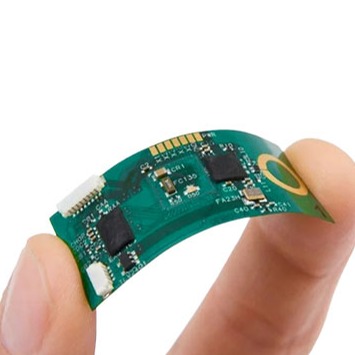
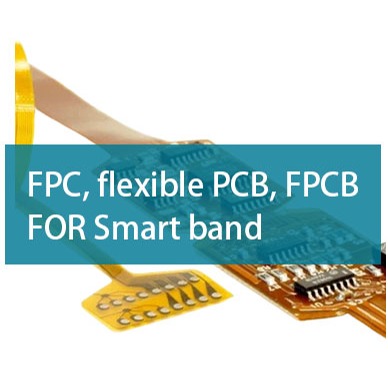
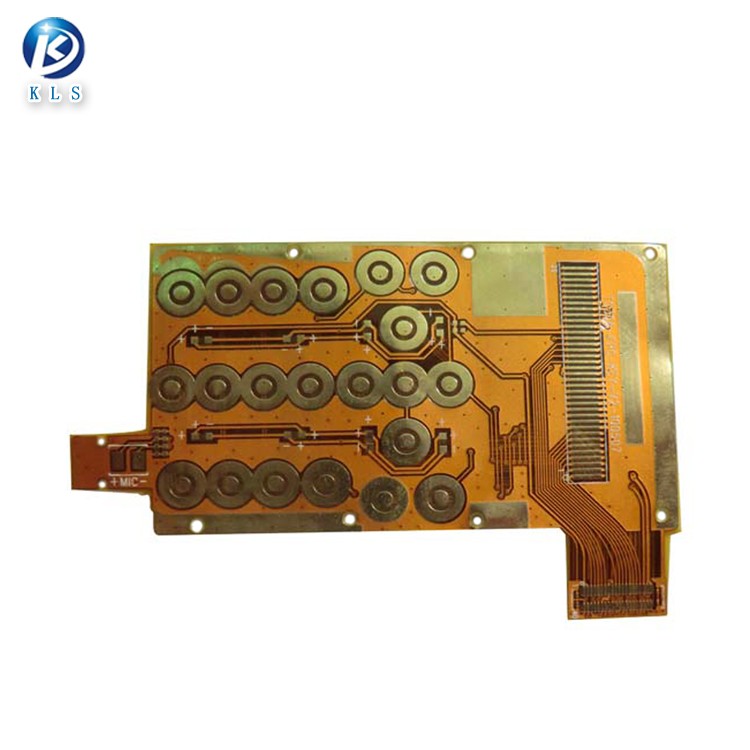
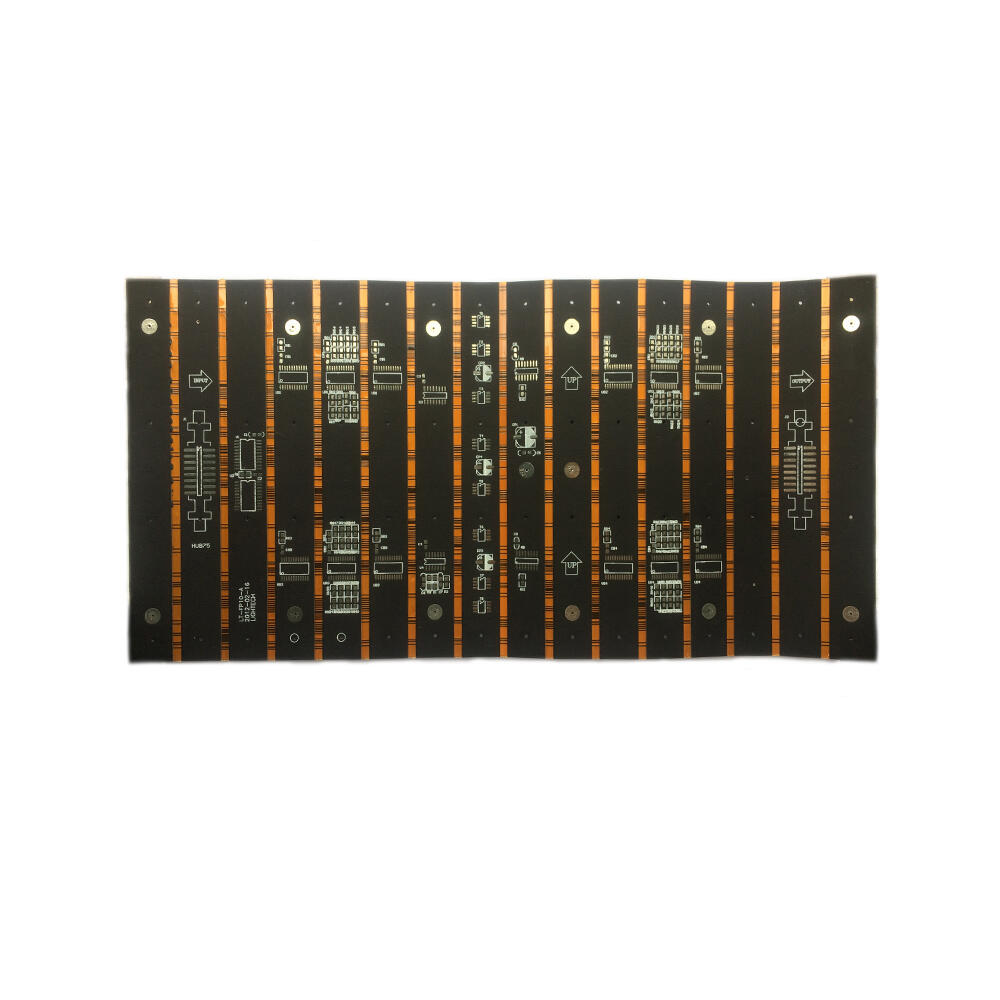
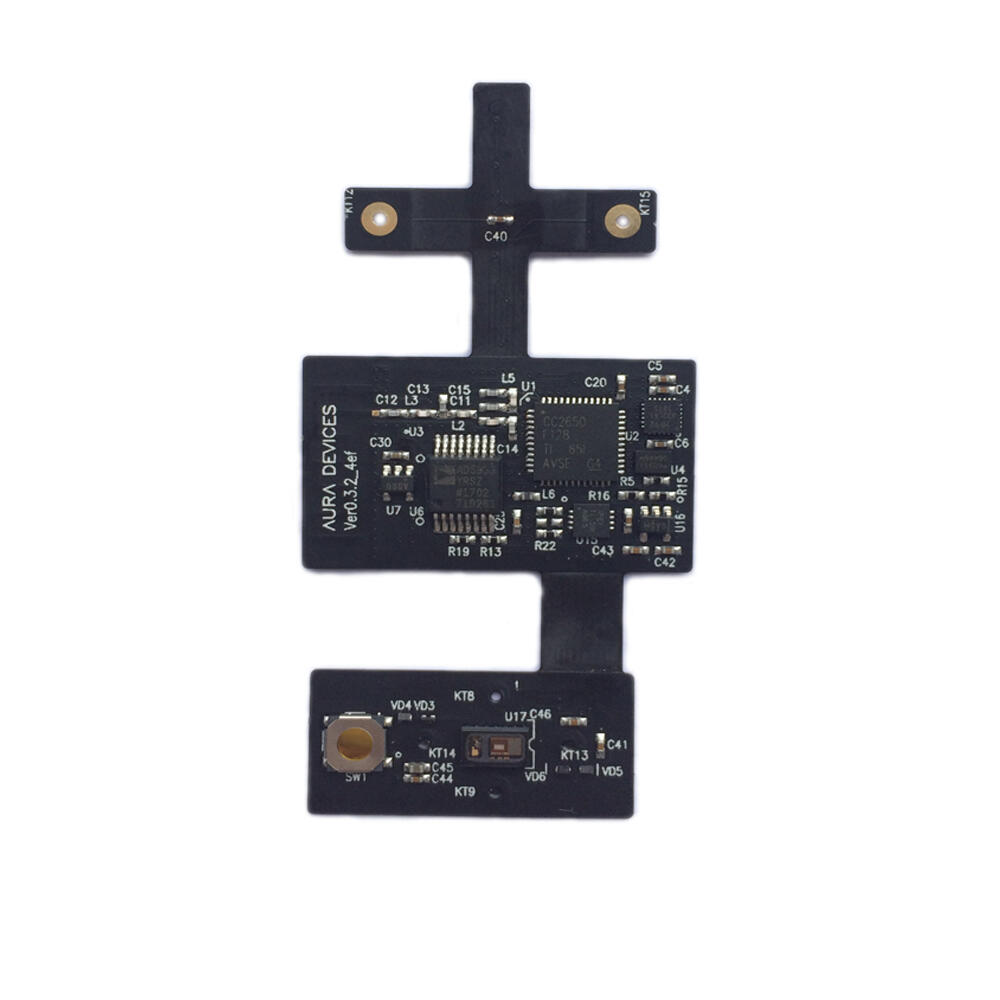
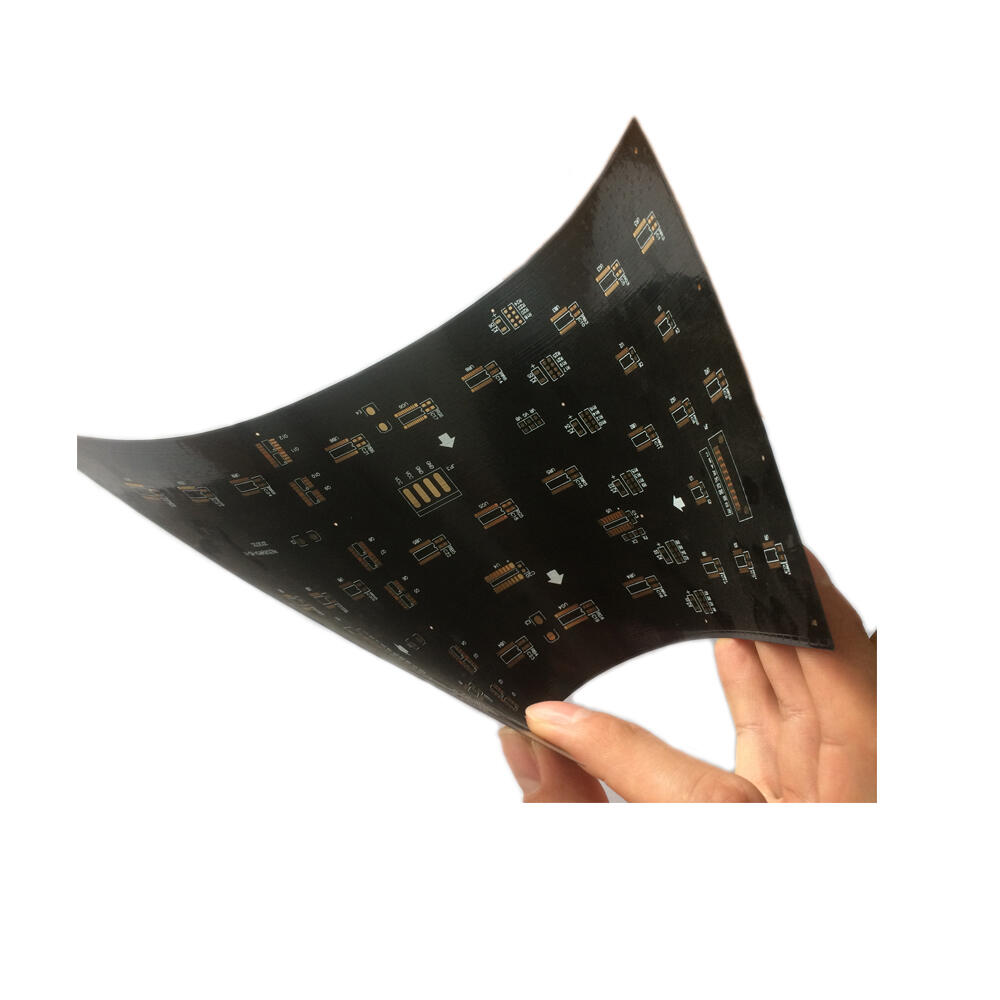
Flexible circuit boards are becoming increasingly popular in many application scenarios due to their characteristics. One of the advantages of using flexible printed circuits is that they are all foldable and bendable, allowing for designs of any size and shape, thus effectively solving the problem of design limitations in projects. However, because flexible circuits are designed for unspecified application scenarios, compared to traditional rigid boards, the initial cost of circuit and prototype design may be higher.
Flex Printed Circuit Board Design Supplier
Flexible circuit boards are becoming increasingly popular in many application scenarios due to their characteristics. One of the advantages of using flexible printed circuits is that they are all foldable and bendable, allowing for designs of any size and shape, thus effectively solving the problem of design limitations in projects. However, because flexible circuits are designed for unspecified application scenarios, compared to traditional rigid boards, the initial cost of circuit and prototype design may be higher.

The Benefits and Applications of Flexible Printed Circuit Boards (FPCBs)
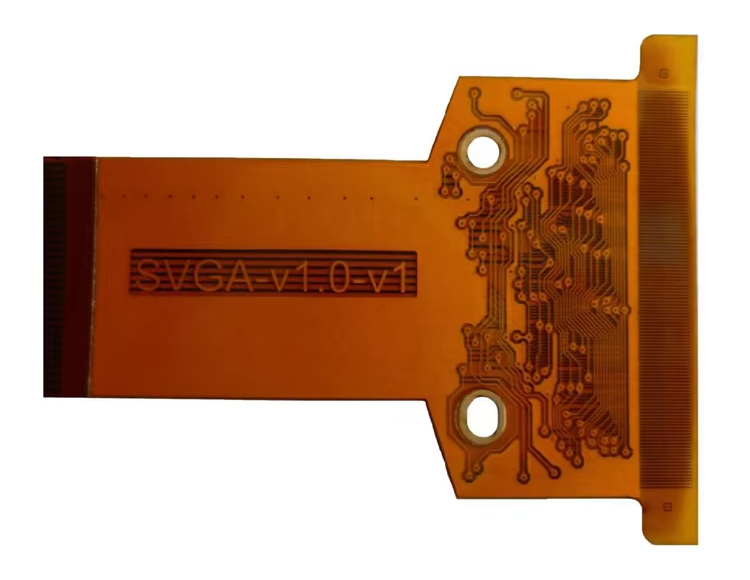
Flexible Printed Circuit Boards (FPCBs) have revolutionized the electronics industry with their unique characteristics.
Their Key Features
FPCBs have a flexible and thin base, which gives them several distinct advantages over rigid printed circuit boards. They are lighter in weight, which is crucial for modern portable and wearable electronic devices. Their reduced size allows for more compact designs, enabling manufacturers to create sleek and space-efficient products. Fewer interconnections mean less potential for failure, enhancing the overall reliability of the electronics. Moreover, improved electrical performance and heat transfer capabilities make them ideal for high-performance applications. The ability to arrange components in three dimensions offers greater design flexibility, especially in complex electronic systems.
Applications in Electronics
Connectivity
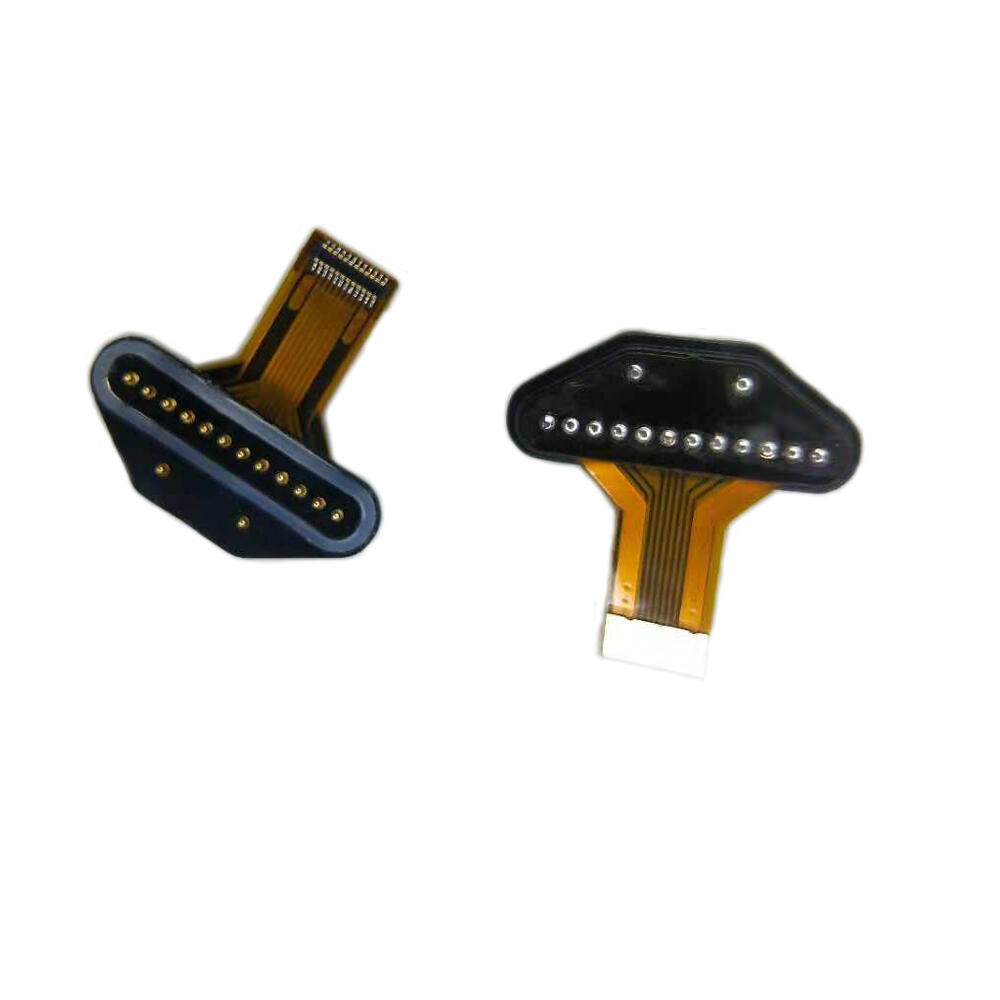
One of the primary uses of FPCBs is as connectors between conventional, rigid boards within an electronic product. They serve as an excellent alternative to cable connections, providing a more stable and reliable connection. This is especially beneficial in devices that experience movement or vibration, as the flexible nature of the boards can absorb shocks and maintain connectivity.
Antennas and Inductors
FPCBs are also widely used in the manufacturing of antennas and inductors. Their flexibility allows for the creation of unique antenna designs that can be integrated seamlessly into the device. For example, in mobile phones, FPCBs enable the design of internal antennas that are both efficient and unobtrusive. In inductors, the flexible base helps in optimizing the magnetic field and improving the overall performance.
Cost-Effectiveness in Serial Production
In serial production, there is a wide variety of materials available for FPCBs. This allows companies to choose the most suitable materials based on the specific requirements of their products while also reducing the cost of the final product. Skilled specialists can assist in selecting the best material options, taking into account factors such as electrical conductivity, flexibility, and durability. Whether it's for consumer electronics, automotive electronics, or medical devices, FPCBs offer a cost-effective and high-performance solution.
Overall, FPCBs are an essential component in modern electronics, providing a combination of flexibility, performance, and cost-efficiency that is hard to match with traditional rigid circuit boards.
(9Products)