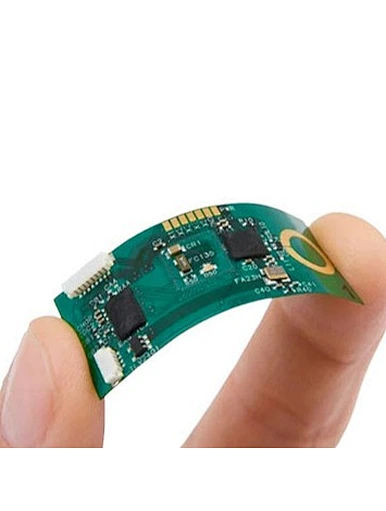
FPC Flexible PCB
US $0.10 - 2.00
fpc002
Can be negotiated
1piece
100000piece
shenzhen,china
5-14Day
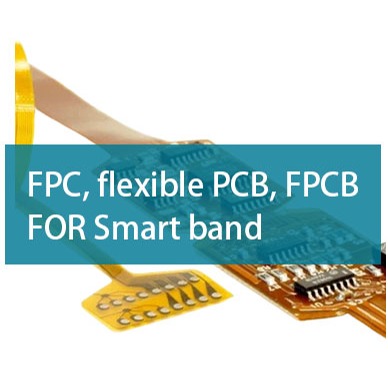
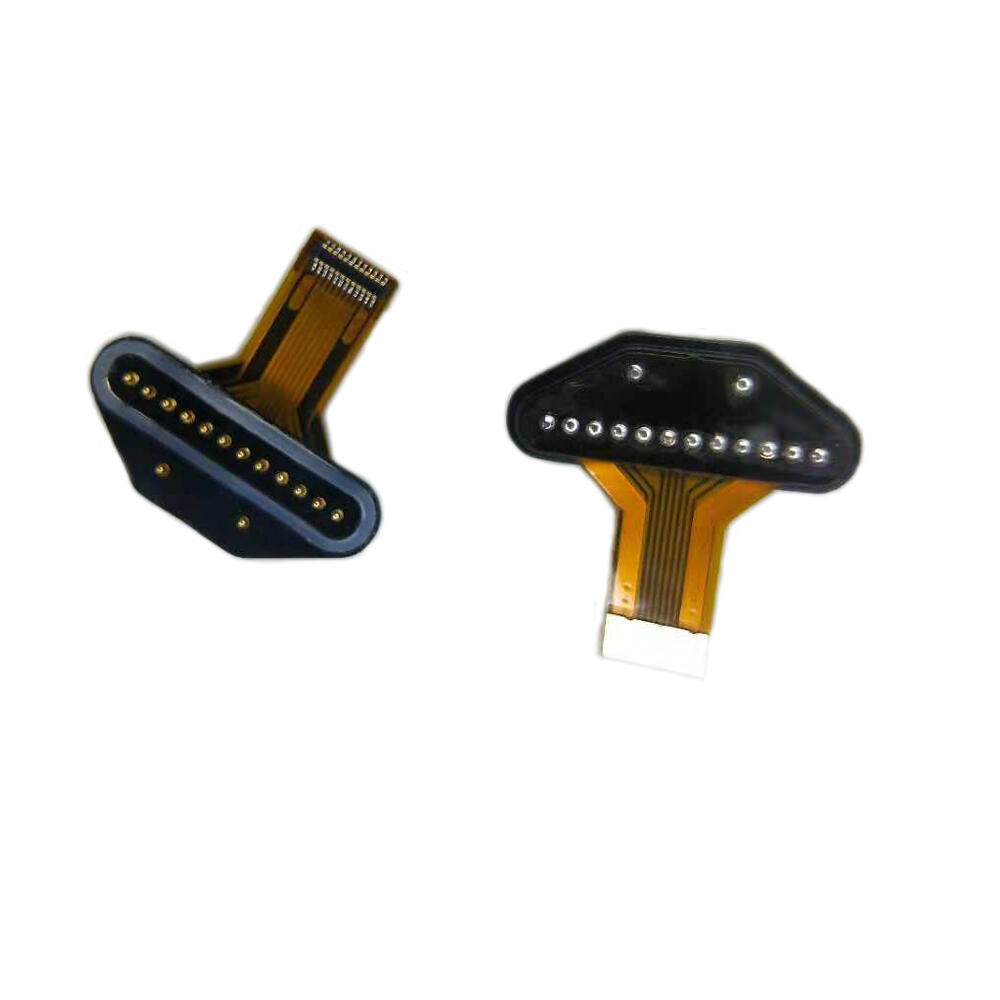
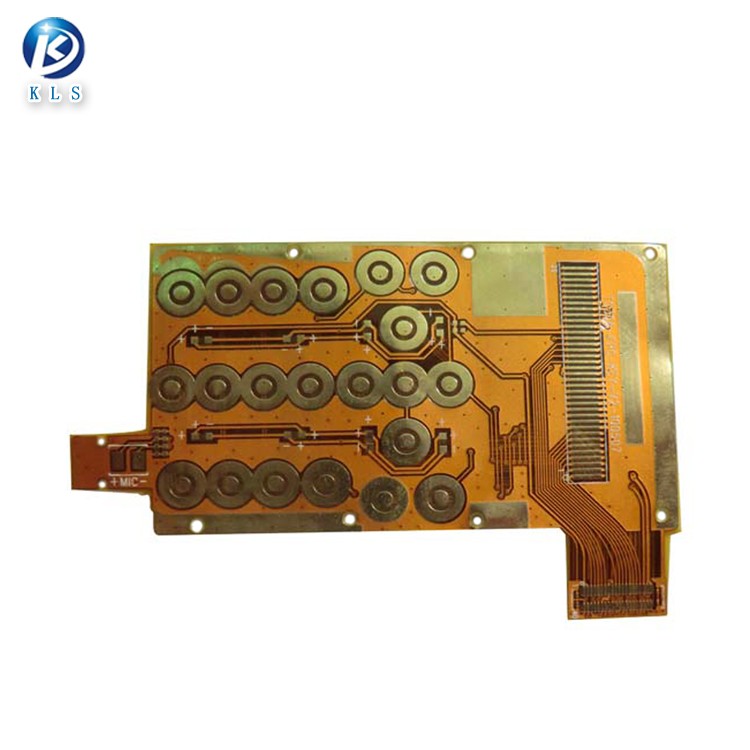
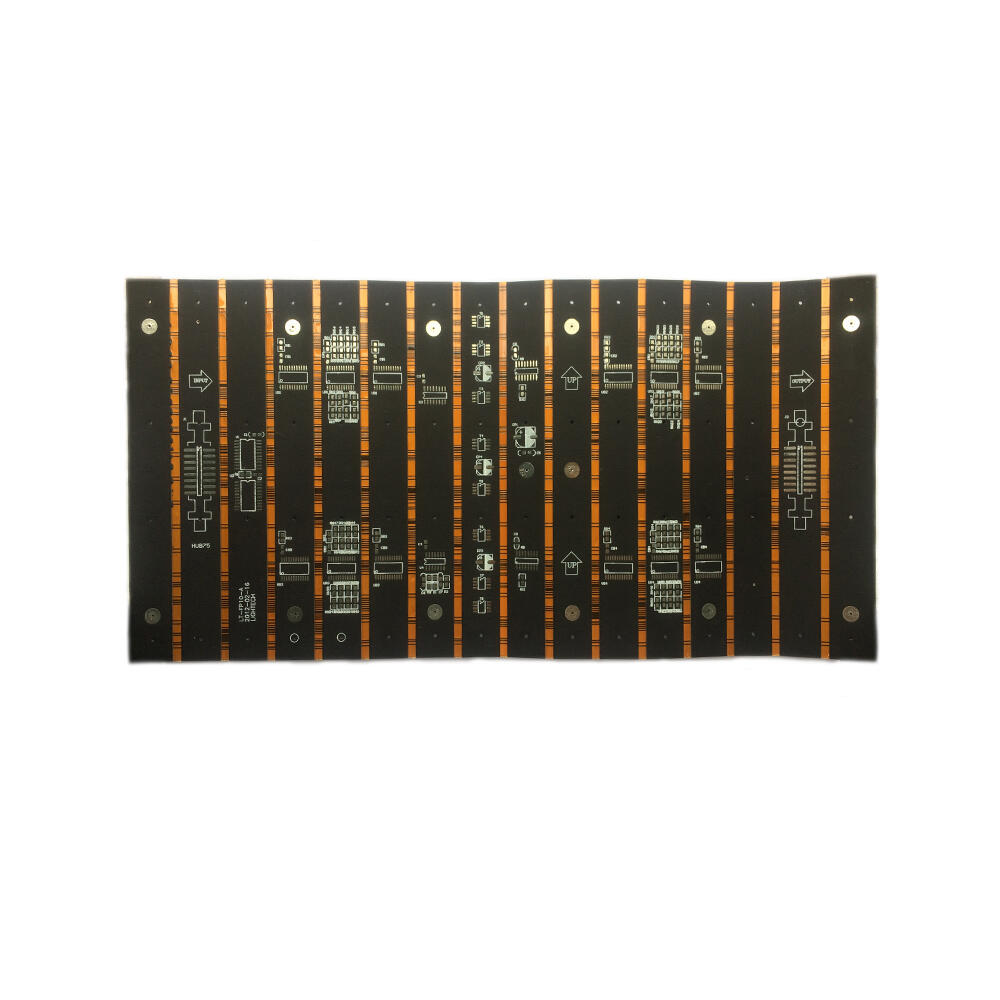
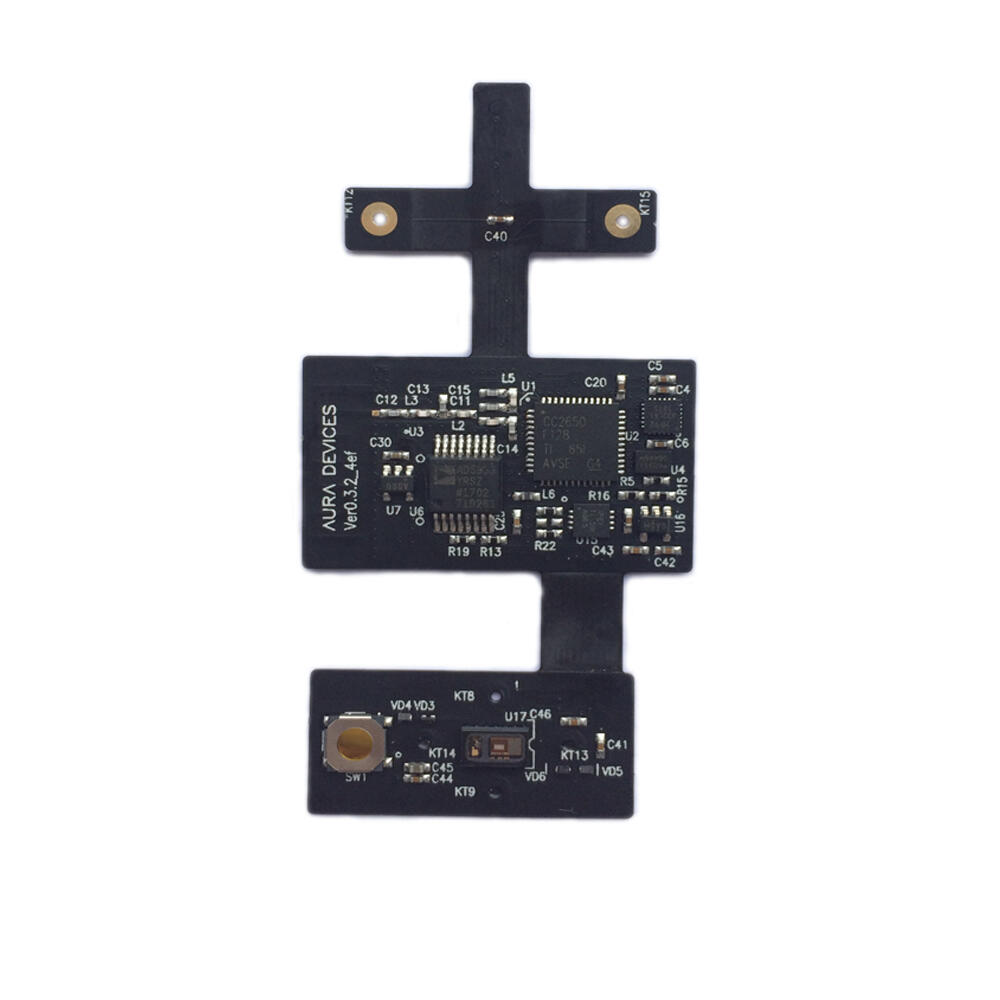
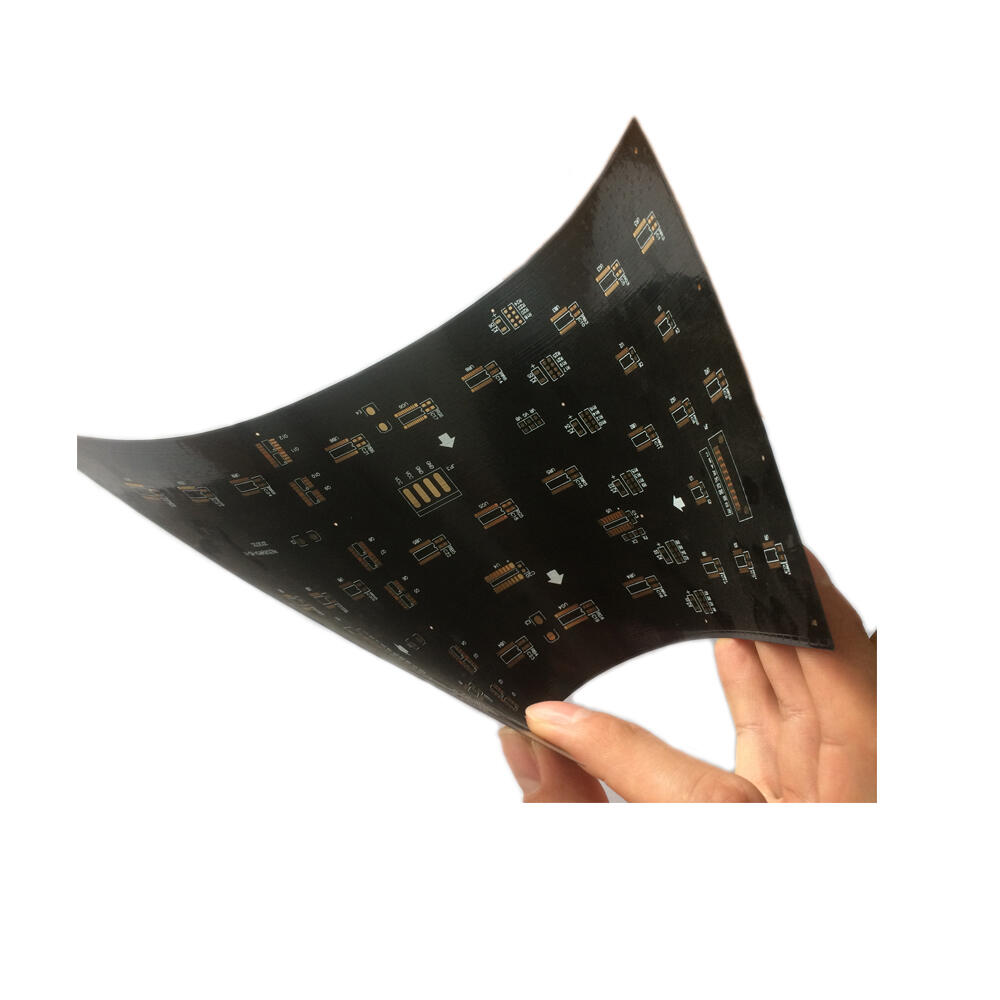
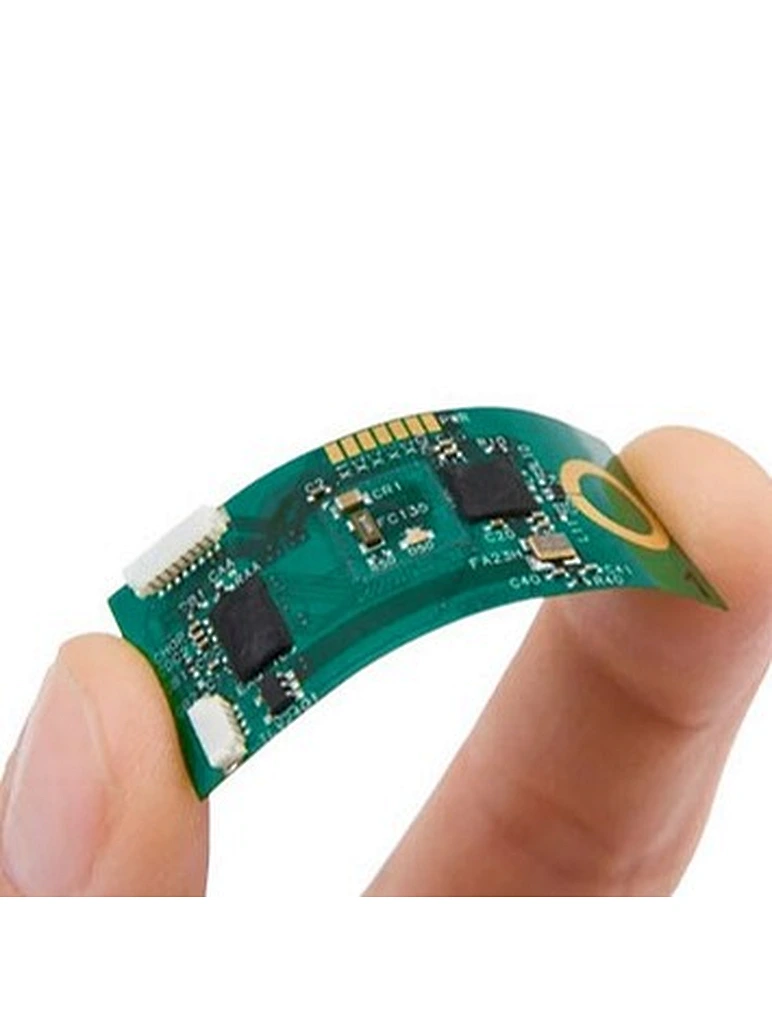
FPC Flexible PCB is a thin, bendable circuit board used in compact electronic devices for flexibility and space-saving
Quantity
Flexible circuit boards (FPCs), also known as flexible printed circuits, are made of flexible materials such as polyimide (PI) or polyethylene terephthalate (PET) that can be folded and bent. With high circuit density, lightweight, thin thickness and good bending performance, FPC is ideal for miniaturizing and mobility requirements for electronic products. It can be freely bent, winded and folded, and will not damage the conductor when subjected to millions of dynamic bends. It can be arranged arbitrarily according to the requirements of the spatial layout, freely moving and expanding in three-dimensional space, thus achieving the integration of PCB assembly and wire connection. FPC also has the advantages of good heat dissipation, welding, easy assembly and low comprehensive cost. Therefore, flexible substrates have been widely used in flexible circuit board light bars, aerospace, military, mobile communications, laptops, computer peripherals, PDAs, digital cameras and other fields or products.
| Model: | FPC Flexible PCB |
| Material: | PI, PET |
| Layers: | 1 layer – 12 layers |
Finished Thickness: | 0.1mm+0.8mm |
Copper Thickness: | 1/3OZ – 1OZ |
Color: | Yellow / Green / White |
Surface Treatment: | Immersion Gold / OSP |
Min Trace / Space: | 2mil/2mil |
Min Hole: | 0.1mm |
Application: | Various electronic products |
What is the difference between PCB vs FPC?
PCB is made by printing, so it is called a printed circuit board. FPC is also made through printing, so FPC flexible circuit board is also a kind of printed circuit board. The printed circuit board includes a rigid PCB and a flexible substrate. We are used to referring to rigid PCBs as PCBs and flexible PCBs as FPCs. The space utilization of flexible PCB and rigid PCB is different. Rigid PCB circuit boards are usually flat unless made into three-dimensional form by film bonding. Therefore, when designing electronic products, FPC flexible circuit boards are a good solution to make full use of three-dimensional space. A common space expansion solution for rigid PCB circuit boards is to use slots and interface cards. FPC flexible circuit boards can achieve similar structures through transfer designs and are more flexible in orientation design. The flexible circuit PCB and the rigid circuit PCB have different characteristics. FPCs usually use polyimide or polyethylene terephthalate as flexible substrates and can be bent or folded freely. Rigid PCBs are usually made of FR4, ceramic, PTFE and metal and cannot be bent or folded. The flexible circuit PCB and the rigid circuit PCB are used for different purposes. FPC is suitable for connections and certain components that require repeated bending. Rigid PCBs are often used in places where there is no need for bending and high hardness.
FPC vs PCB
Seven types of flexible substrates:
1. The single-sided flexible PCB board consists of"single-sided circuit + protective film"and has good folding resistance.
2. The double-sided flexible PCB board consists of"protective film + double-sided circuit + protective film". The double-sided copper foil is connected through PTH holes, and its flexibility is not as flexible as a single-sided panel. 3. The single-added single-composite FPC board consists of"protective film + single-sided line + pure glue + single-sided line + protective film". The two single-sided copper foils are bonded with pure glue and are conducted through the PTH hole. The pure glue in the bending area needs to be hollowed out.
4. The protruding FPC board consists of"pure copper foil + upper and lower protective film". The thicker pure copper foil is pressed on the PI to form a suspended finger-like structure. It is mainly used for plugging of liquid crystal displays (TFTs) and provides intensive welding functions.
5. The flexible multi-layer PCB consists of"multiple single-sided CCLS (or double-sided panels) + pure glue + protective film (CVL)". Each layer of lines is connected through PTH holes. The large number of layers leads to poor flexibility, but the pure glue window design area is more flexible.
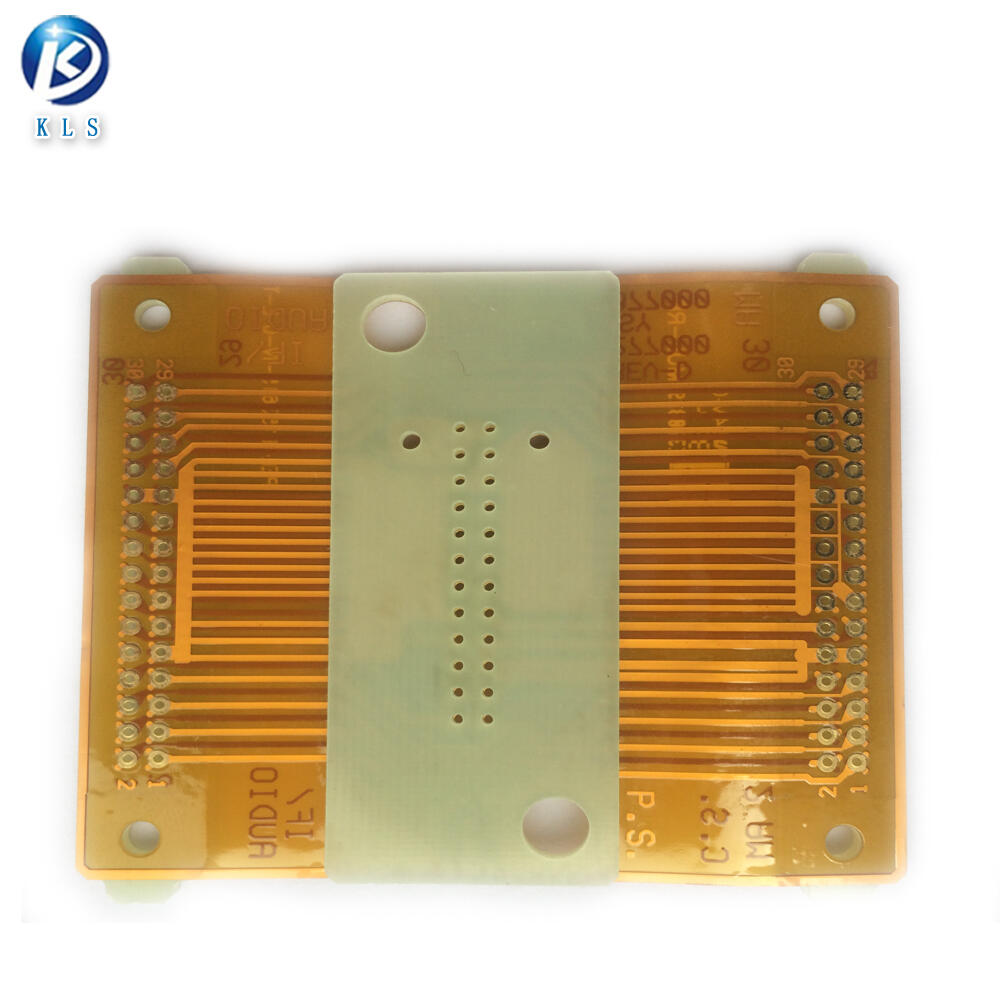
6. Flexible and rigid PCB is made of welding or pressed by"single-sided or double-sided FPC substrate + multi-layer rigid PCB substrate". The lines are connected through PTH holes and can be three-dimensional assembled under different assembly conditions. It has the characteristics of lightness, thinness and shortness, reducing electronic product size, weight and wiring errors.
7. Flexible PCB antennas are equivalent to pulling out antenna lines from the PCB and using other external metals as antennas. They are usually used in smart hardware products in low- and mid-end mobile phones and complex frequency bands. They are suitable for almost all small electronic products and can be used as complex antennas in more than 10 frequency bands (including 4G), with good performance and low cost.
How to make flexible PCB?
Double-layer flexible PCB manufacturing process: Cutting – Drilling – PTH – Electroplating – Pretreatment – Dry film – Alignment – Exposure – Development – Graphic plating – Film removal – Pretreatment – Dry film – Alignment – Exposure – Development – Etching – Film removal – Surface treatment – Cover film – Pressing – Curing – Nickel deposition – Character printing – Cutting – Electrical measurement – Punching – Final inspection – Packaging – Shipping
Single-layer flexible PCB manufacturing process: Cutting – Drilling – Dry film – Alignment – Exposure – Development – Etching – Peeling – Surface treatment – Covering film – Pressing – Curing – Surface treatment – Nickel-gold deposition – Character printing – Cutting – Electrical measurement – Punching – Final inspection – Packaging – Shipping
How to solder a flexible circuit board (FPC) to a printed circuit board (PCB), and how to clean a flexible circuit board?
Soldering flexible PCB requires the use of an FPC connector to connect to the PCB, so a rigid-flexible combination PCB appears. The hard-and-soft PCB can save the cost of soldering FPC to PCB and FPC connectors, while providing better space utilization and more stable performance. However, the cost of combining hard and soft PCB is much higher than that of flexible PCBs.
Ion cleaning flexible PCB machine can solve the problems of poor hydrophilicity of FPC and poor adhesion of copper plating. The poor hydrophilicity of flexible PCB material PI is the fundamental reason that affects the reliability of copper plating. The plasma cleaning machine performs surface treatment of PI substrates, which can effectively improve the hydrophilicity of PI materials. Use a water contact angle meter to measure the water contact angle of the PI material before and after plasma surface treatment, and the water contact angle can be reduced from greater than 45 degrees to less than 50 degrees. At this time, magnetron sputtering coating is performed, and the adhesion of the copper film can meet the expected requirements.
Sometimes, for soldered flexible circuit boards (FPCs), we need to design reinforcements for them because they are too soft. FPC reinforcements are usually made using Altium flexible PCB. When we need to solder the components to the FPC, we design a flexible substrate connected by a flexible aluminum PCB to the PCB circuit board. This can give the production end of the FPC board better hardness, making it more convenient to assemble.
Features of FPC
FPCs are flexible and reliable. Currently, there are four types of FPC flexible PCB boards: single-sided, double-sided, multi-layered and rigid-flexed combined PCB.
1.Single-sided FPCs are minimal cost when high electrical performance is not required. When welding a single-sided PCB circuit board, a single-sided flexible board should be selected. It has a chemically etched conductive pattern and a calendar copper foil as a conductive layer, located on a flexible insulating substrate. The insulating material may be polyimide, polyethylene terephthalate, acrylamide fiber ester and polyvinyl chloride.
2.The double-sided FPC is made by etching a conductive pattern on each side of the insulating base film. Metalized holes connect the patterns on both sides of the insulating material to form conductive paths to meet the requirements of flexible design and practical functions. The overlay protects both single and double-sided wires and indicates where the assembly is placed.
3.A FPC multilayer circuit board is composed of one or two flexible circuits of three or more layers, and metallized holes are formed by drilling and electroplating to form conductive paths between the layers. This eliminates the need for complex welding processes. Multilayer circuits have huge functional differences in higher reliability, better thermal conductivity and more convenient assembly performance. When designing a layout, the interaction between assembly size, number of layers and flexibility should be considered.
4.Traditional rigid and flexible circuit boards consist of rigid and flexible substrates, combined by selective lamination. This structure is compact and conducts electricity through metallized vias. If there are components on both sides of the printed circuit board, the Flex-Rigid PCB is a great choice. However, it would be cheaper to use a double-sided flexible plate with the back of the FR4 reinforcement if all the components are concentrated on one side.
5.The hybrid structure FPC flexible circuit is a multi-layer PCB circuit board with conductive layers composed of different metals. An 8-layer board uses FR-4 as the internal medium and polyimide as the external medium. The motherboard extends the wires in three different directions, each of which is made of different metals. Use Langtang alloy, copper and gold as separate wires. This hybrid structure is mainly used in low-temperature environments, where the relationship between electrical signal conversion and thermal conversion and electrical performance is higher, and is the only feasible solution.
The convenience and total cost of the internal design can be evaluated for the best performance-price ratio.
The economy of FPC
If the Flexible Printed Circuits (FPCs) are designed with relatively simple size, the overall size is small and the space is appropriate, traditional internal connections are usually much cheaper. Flexible circuits are a great choice for complex circuits, handling large numbers of signals, or designs with special electrical or mechanical properties. Flexible assembly is most economical when the size and performance of the application exceeds the capability of the rigid circuit. A flexible circuit with a 12mil pad, a 5mil hole and a 3mil line width spacing can be made on a single layer film. Therefore, it is more reliable to install the chips directly on the film, as they do not contain flame retardants that may be a source of ion drilling dirt. These films can be protected and cured at higher temperatures to achieve higher glass transition temperatures. The cost savings of flexible materials over rigid materials are due to the elimination of plug-ins.
The high cost of raw materials is the main reason for the high price of flexible circuits. The prices of raw materials vary greatly. The cost of raw materials used for the lowest-cost polyester flexible circuit is 1.5 times the cost of raw materials for rigid circuits, and the cost of high-performance polyimide flexible circuits is as high as four times or more. At the same time, the flexibility of the material makes it difficult to achieve automated processing during the manufacturing process, resulting in a decrease in output. Defects such as peeling flexible accessories and line breakage occur during final assembly, which is more likely to occur when the design is not suitable for application. Under high stresses caused by bending or forming, reinforcement or reinforcement materials are usually required. Despite the high cost of raw materials and complex manufacturing, folding, bending and multi-layer splicing can reduce overall assembly size, reduce material use, and reduce overall assembly costs.
The flexible PCB circuit industry is seeing rapid, albeit small-scale, growth. A key process in this industry is the polymer thick film method, known for its efficiency and cost-effectiveness. This technique involves the selective printing of conductive polymer ink onto a low-cost flexible substrate, such as PET. Conductors made from polymer thick film typically involve screen-printed metal or toner fillers. Notably, the polymer thick film process is environmentally friendly, utilizing SMT adhesives that are free of lead and are devoid of etching. This production method significantly reduces costs, with polymer thick film circuits costing roughly one tenth of similar circuits made with copper polyimide thin films, and between half to one-third the cost of rigid PCBs. The approach is especially advantageous for manufacturing equipment control panels. Furthermore, in the realms of mobile phones and other portable devices, the polymer thick film technique is ideal for transforming components, switches, and lighting devices on PCBs into polymer-based thick film circuits, optimizing both expenditures and energy use.
Overall, flexible printed circuit boards are typically pricier than their rigid counterparts. During their production, numerous parameters may exceed tolerances. The challenge in fabricating flexible circuits mainly arises from the pliability of the materials used.
Flexible printed circuit boards (FPCs) are extensively employed across various industries because of their outstanding adaptability and slim profile. Their primary application sectors encompass electronics, automotive electronics, medical devices, and industrial control systems.
- Electronics
Flexible printed circuit boards (FPCs) are extensively utilized across numerous electronic devices, such as mobile phones, tablets, and smart wearables. Their design enables high integration, fostering miniaturization and dense circuit connections, which enhances both the performance and portability of these electronic devices.
- Automotive Electronics
Flexible circuit boards (FPCs) are extensively utilized in the automotive industry, particularly in navigation, entertainment, and communication systems within vehicles. These FPCs offer adaptable connectivity options in tight spaces, ensuring that the electronic systems in automobiles remain stable and perform effectively.
- Medical equipment
Flexible printed circuit boards (FPCs) are being used more frequently in medical devices, appearing often in monitoring systems, therapeutic tools, and imaging equipment. They offer reliable performance even in conditions of high heat and humidity and adhere to the required medical safety standards.
- Industrial Control
In industrial control, flexible circuit boards (FPCs) are utilized in systems like automation equipment and robots, offering high-density wiring and dependable connections. These boards fulfill the modern industrial equipment requirements for robust performance and stability.
- Aerospace
Flexible printed circuit boards (FPCs) are employed in both the aerospace and defense industries. They are chosen for their ability to decrease overall weight and enhance vehicle performance, thanks to their slim structure and strong resistance to vibration in crucial equipment.
- Cost of FPC
The cost of FPC assembly is nearing that of conventional rigid circuits. This decline can be attributed to newer FPC materials, enhanced production techniques, and evolving structures. The modern design increases the product's heat resistance, minimizing material mismatches. The latest materials allow for more intricately designed lines thanks to thinner copper layers, which make components lighter and better suited for compact spaces. Previously, copper foils were attached to adhesive-coated substrates using a rolling method. Now, they can be directly produced on substrates without adhesives, resulting in copper layers just microns thick, with line widths reaching 3μm or even narrower. By reducing adhesive use, flexible circuits gain flame retardant characteristics, expediting the UL certification process and further cutting costs. Additionally, the application of a solder mask and other surface coatings on the FPC flexible circuit boards continues to drive down assembly expenses.
Future development of FPC
FPC thickness is evolving to become more versatile and thinner over time. As for its folding durability, FPC's natural ability to bend allows for a bending endurance of over a million cycles. Currently, FPCs are significantly more expensive than PCBs, but their cost is expected to decrease in the future. With advancements in FPC manufacturing processes, the smallest aperture and line width/spacing requirements are becoming more stringent.
Looking ahead, there will be a demand for smaller, more intricate, and pricier flexible circuits for FPC assembly, which will necessitate advancing assembly techniques and incorporating more hybrid flexible circuits. The flexible circuit industry faces the challenge of harnessing its technological edge to align with the demands of computers, remote communications, and dynamic markets. Furthermore, FPC flexible circuits will be crucial in lead-free operations.
It is not deny that there are many cheap manufacturers in China that offer flexible circuit board quotes. KLS is a professional flexible circuit board company. We provide flexible circuit board prototypes and flexible circuit board services. First of all, we put the improvement of your product value first, control product costs through logistics procurement and production processes, and reduce costs and increase efficiency for your project. If you need to purchase an FPC flexible circuit board, please contact KLS custom flexible circuit board.