
Thick PCB - Robust Solution for Demanding Applications.
Advanced Thick PCB - Durable for Industrial & Electronic Demands.
In the realm of printed circuit boards, thick PCBs shine as a dependable solution. Heavy-duty and high-density thick PCBs are crafted with advanced technology for diverse industries. They offer remarkable durability, crucial for industrial settings. With stability to withstand vibrations and temperature changes, they're ideal for aerospace and telecommunications. Some have enhanced insulation and specialized finishes for better functionality.
Our company is dedicated to quality in manufacturing thick PCBs. Using state-of-the-art processes and equipment, we ensure high performance and reliability. Our team works with customers to provide customized solutions. Whether for industrial control or power electronics, our thick PCBs exceed expectations. #ThickPCB #AdvancedTech #Durability #Stability.
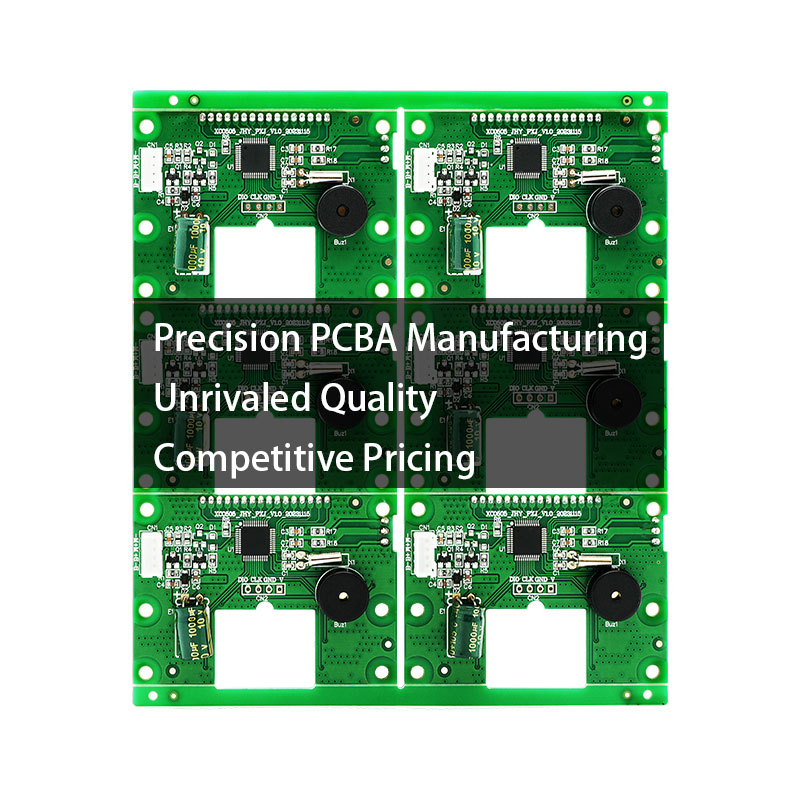
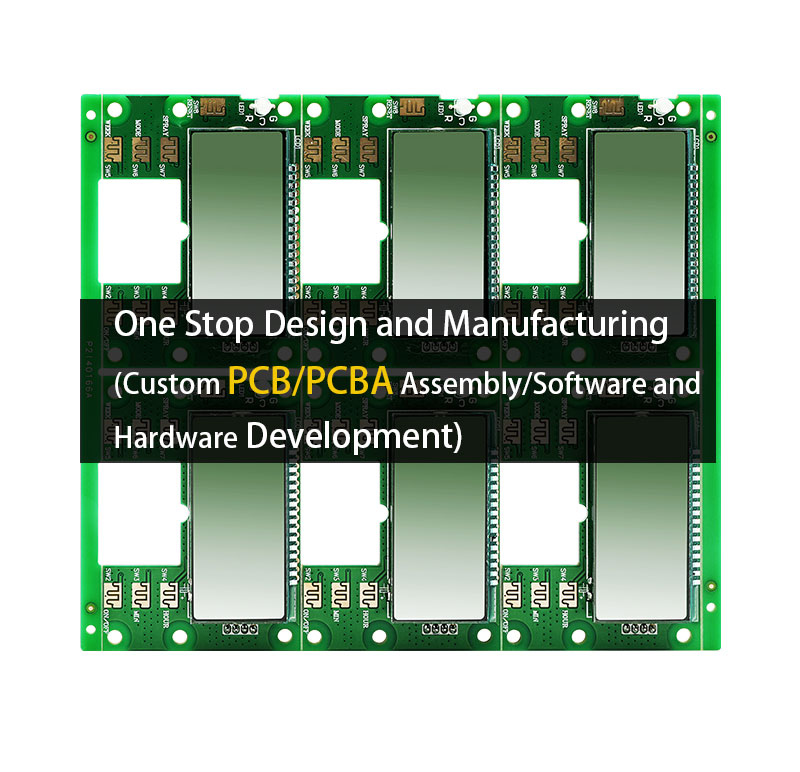
How to Select the Right PCB Thickness?
Choosing the appropriate PCB thickness depends on several factors. Here are some considerations to help you make the right choice:
1. Application Requirements
-
Electrical Performance: Thicker PCBs can offer better electrical isolation and reduced signal interference. For high-frequency applications or where signal integrity is crucial, a thicker PCB may be preferred.
-
Power Handling: If your circuit needs to handle high power levels, a thicker PCB can provide better heat dissipation and mechanical stability.
-
Component Density: Dense component placement may require a thinner PCB to ensure proper clearance and routing.
2. Mechanical Considerations
-
Space Constraints: Consider the available space in your product. Thinner PCBs can be advantageous when space is limited.
-
Stiffness and Flexibility: Depending on the application, you may need a rigid PCB or a flexible one. Thicker rigid PCBs offer more stiffness, while thinner flexible PCBs can be bent and folded.
-
Mounting and Assembly: The thickness of the PCB should be compatible with the mounting and assembly methods. For example, through-hole components may require a thicker PCB for proper insertion and soldering.
3. Manufacturing Process
-
Cost: Thicker PCBs generally cost more to manufacture due to increased material usage and processing time. Consider your budget when choosing the thickness.
-
Manufacturability: Some PCB manufacturers may have limitations on the available thicknesses. Check with your manufacturer to ensure they can produce the desired thickness.
-
Quality and Reliability: Thicker PCBs may be more durable and less prone to warping or cracking during manufacturing and use. However, excessive thickness can also introduce manufacturing challenges.
In conclusion, choosing the appropriate PCB thickness requires a careful consideration of the application requirements, mechanical constraints, and manufacturing process. By taking these factors into account, you can select a PCB thickness that meets your specific needs and ensures the performance and reliability of your electronic product.
Key Factors Influencing PCB Thickness
When it comes to determining the thickness of a printed circuit board (PCB), several crucial factors come into play. These factors not only affect the functionality and performance of the PCB but also have a significant impact on its overall suitability for a particular application.
1. Electrical Requirements
-
Signal Integrity: Thicker PCBs can offer better electrical isolation and reduced signal interference, ensuring high signal integrity. This is particularly important for high-frequency applications and circuits that require precise signal transmission.
-
Power Handling: If the PCB needs to handle high power levels, a thicker board can provide better heat dissipation and increased mechanical stability, reducing the risk of electrical failures.
2. Mechanical Considerations
-
Space Constraints: The available space within the device or system where the PCB will be installed can greatly influence the choice of thickness. Thinner PCBs are often preferred when space is limited, while thicker boards may be necessary for applications that require more rigidity or durability.
-
Flexibility vs. Rigidity: Depending on the design requirements, a PCB may need to be flexible or rigid. Flexible PCBs are typically thinner and can be bent or folded to fit into tight spaces or conform to complex shapes. Rigid PCBs, on the other hand, are usually thicker and offer more stability and durability.
-
Mounting and Assembly: The method of mounting and assembling the PCB can also affect the thickness selection. For example, through-hole components may require a thicker PCB for proper insertion and soldering, while surface-mount components can be used on thinner boards.
3. Manufacturing Constraints
-
Cost: Thicker PCBs generally cost more to manufacture due to increased material usage and processing time. Therefore, cost considerations can play a significant role in determining the appropriate thickness.
-
Manufacturability: Some PCB manufacturers may have limitations on the available thicknesses they can produce. It is essential to consult with the manufacturer to ensure that the desired thickness is achievable within the manufacturing capabilities.
-
Quality and Reliability: Thicker PCBs may be more durable and less prone to warping or cracking during manufacturing and use. However, excessive thickness can also introduce manufacturing challenges and increase the risk of defects.
In conclusion, understanding the key factors that affect PCB thickness is essential for making an informed decision when designing and manufacturing printed circuit boards. By considering these factors carefully, engineers and designers can select the optimal thickness that meets the electrical, mechanical, and manufacturing requirements of their specific applications.
Important Parameters for Thick PCBs
There are several important parameters to consider when selecting a Thick PCB:
1. Substrate Thickness:
- PCB substrates are usually made of materials such as FR4 and polyimide, whose thickness and material selection have a significant impact on the mechanical strength of the board.
2. Semi-cured sheet thickness (Prepreg Thickness):
- The semi-cured sheet consists of glass fibers and resin adhesive, which is sandwiched between copper layers during PCB manufacturing to form a laminate under hot pressing. The thickness of the semi-cured sheet needs to be determined based on the total PCB thickness.
3. Number of Layers:
- PCB thickness is closely related to the number of layers. The standard PCB thickness is about 1.6mm. the more copper layers of the board, the thicker it is. The design needs to determine the number of layers according to the actual functional requirements.
4. Via Type:
- The application of via holes makes the PCB design more compact. Its type and density will directly affect the thickness of the board. There are several types of via holes, including straight through holes, blind holes, buried holes, and microvias. Microvias are suitable for thinner circuit boards because they have low thickness requirements and allow for high density connections.
5. Signal Type:
- The type of signal transmitted on a PCB affects board thickness and material selection. Handling high-power signals requires wider alignments and thicker copper layers to increase current carrying capacity and reduce resistance.
6. Working Environments:
- In harsh environments (such as high temperature or highly corrosive environments), PCB performance is not only affected by thickness, but also by material selection and surface treatment. Thicker PCBs provide better mechanical stability.
7. Thermal Management:
- PCB thickness affects its thermal management capabilities. Thicker boards typically dissipate heat more efficiently; their thicker copper layer enhances thermal conductivity and allows heat to be distributed more evenly across the board. Good heat dissipation is especially important for high power or compact applications.
8. Signal Integrity:
- PCB thickness affects the impedance control of the alignment, which in turn affects signal integrity.
9. Mechanical Strength:
- PCB thickness affects the mechanical strength of the board, and is especially important for devices that need to withstand physical stress or vibration. Thicker PCBs are more robust and can effectively resist bending or warping, reducing the risk of component and solder joint damage.
10. Electrical Performance:
- PCB thickness has a significant impact on electrical performance, including signal integrity, EMI shielding, and current capacity. Increasing thickness can help improve EMI shielding.
11. Manufacturing Process:
- PCB thickness directly impacts several key manufacturing processes, including drilling equipment limitations, lamination complexity, copper etching, and assembly processes.
12. Decoupling and Capacitance:
- PCB thickness affects its decoupling and capacitance performance. Thick boards cause less interference and lower capacitance. Thin boards cause more interference and higher capacitance, which may make them less stable and reliable.
13. Manufacturability, Reliability, and Cost:
- PCB thickness also affects PCB manufacturability, reliability, and cost. Thicker PCBs require more material, more processing time, and more advanced equipment, which can increase the cost and complexity of the PCB manufacturing process.
Together, these parameters determine the performance and suitability of Thick PCBs, and the design needs to be based on the specific application requirements and manufacturability of the PCB to select the appropriate PCB thickness.
How to choose a reliable Thick PCB
There are several important parameters and factors to consider when choosing a reliable Thick PCB:
1. Electrical Performance:
- Consider how the thickness of a PCB affects the cross-sectional area of its conductive layers, and thus the ability to transmit current. Thicker PCBs have a greater conductive cross-sectional area and can withstand higher currents, lowering line impedance and reducing signal transmission losses.
2. Mechanical strength:
- PCB board thickness is closely related to its mechanical strength and stiffness. Thicker PCB board has a higher bending stiffness and impact toughness, can withstand greater mechanical stress and vibration, to ensure the stability and reliability of electronic equipment in harsh environments.
3. Heat dissipation needs:
- Consider the heat dissipation effect of PCB boards in electronic devices. Thicker PCB boards have greater heat capacity and better thermal conductivity, which can more effectively conduct the heat generated by electronic components to improve the thermal stability and reliability of electronic equipment.
4. Type of material:
- Different materials allow for different board sizes. For example, standard FR4 PCBs are between 0.4 mm and 1.6 mm thick. Other materials may be thinner or thicker than this, depending on the thermal, mechanical and other properties required.
5. Layer thickness:
- A typical circuit board consists of multiple layers of different materials. These layers determine the dimensions of the board, including between individual stacks of prepreg or dielectric material.
6. Number of Layers:
- As the number of layers increases, so does the thickness. The number of layers ranges from 2 to 32 and higher. This results in different sizes, with 1.57 mm being the standard size for the single-layer type.
7. Copper weight:
- The amount of copper used on a circuit board also affects its dimensions. Copper layer thicknesses are typically 0.1 mm to 0.2 mm, expressed in ounces per square foot, or simply Oz, and range from 0.5 to 2.0 Oz (one ounce = 35 microns).
8. Application Requirements:
- The application of the circuit board determines its thickness. This is due to different operating conditions. For example, you need a thicker board to withstand heat or mechanical stress. If the application is milder or you need a flexible board, a thinner PCB may be sufficient.
- Tolerance is the allowable deviation from nominal thickness, usually expressed as a percentage of a given value by industry standards. It varies greatly, depending on the stacked layers and materials.
10. Supplier Selection:
- Selecting a reliable PCB board supplier is critical. Examine the supplier's R&D and design capabilities, quality control system, production capacity and delivery speed, customer service and technical support, and price.
By considering the above factors together, you can choose the most suitable Thick PCB according to the specific requirements and budget of your project.
(0Products)
Data is empty