
Custom Keyboard Pcb Boards Design Services
Keyboard Pcbs Price Of China Factory
custom keyboards design services by China factories. Our custom keyboard PCB boards design services . We combine innovation and precision to create PCBs that meet your unique requirements.
Our team of expert designers uses the latest technology and techniques to ensure that your keyboard PCB boards are not only functional but also aesthetically pleasing. Whether you need a simple design or a complex one, we can deliver.
And when it comes to price, our China factory offers competitive rates without sacrificing quality. You'll get high-quality keyboard PCBs at an affordable price.
Choose our custom keyboard PCB boards design services and experience the difference. With our commitment to excellence and customer satisfaction, you can be sure that you're getting the best. |CustomKeyboardPCBs |ChinaFactory |KeyboardDesignServices
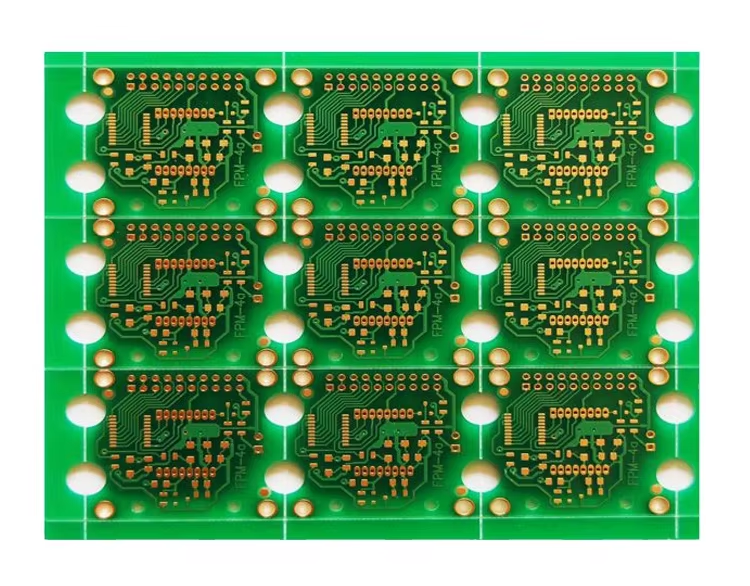
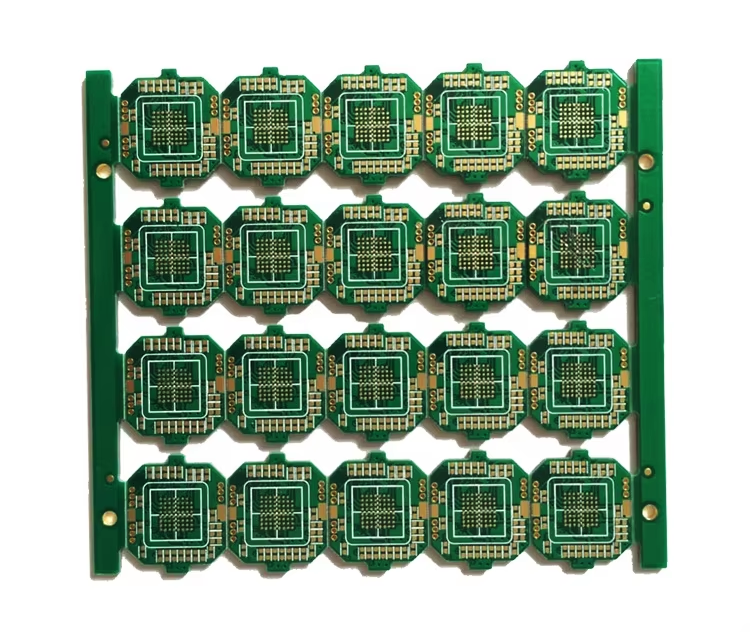
Selecting the Right Supplier for Keyboard PCB Boards and Design
In the world of keyboards, whether for gaming, office work, or other uses, the choice of a reliable supplier for keyboard PCB boards and design is crucial.
Considerations for Keyboard PCB Board Suppliers
Quality Assurance
-
Material Quality:
-
Suppliers must source high-quality materials for the PCB boards. Copper used for traces should have high conductivity to ensure efficient signal transmission. The insulating substrate should be durable and resistant to heat and moisture. For example, FR-4 is a commonly used substrate material, and a good supplier will ensure its quality meets industry standards for dielectric strength and flame resistance.
-
-
Manufacturing Precision:
-
Precision in manufacturing is key. The PCB board's line widths and spacings need to be accurate to prevent signal interference and short circuits. Suppliers with advanced manufacturing equipment, such as high-precision etching and plating machines, can produce boards with finer traces and more reliable connections. In keyboard PCB boards, especially for mechanical keyboards with multiple switches, accurate hole drilling for switch mounting is essential for proper fit and function.
-
-
Testing and Certification:
-
Reputable suppliers conduct comprehensive testing on their keyboard PCB boards. This includes electrical testing for resistance, capacitance, and impedance to ensure proper circuit behavior. Functional testing to check for key responsiveness and signal output is also crucial. They should also have relevant certifications like ISO 9001 for quality management to assure customers of consistent product quality.
-
Design Capabilities
-
Customization Options:
-
A good supplier offers customization in keyboard design. They can work with customers to create unique layouts, such as ergonomic designs for increased user comfort or compact layouts for portable keyboards. They should also be able to accommodate different key switch types, like Cherry MX switches or other mechanical and membrane switch variants.
-
-
Innovation and Trends:
-
Suppliers who stay updated with the latest industry trends can offer innovative designs. For example, the integration of RGB backlighting circuitry in PCB boards for enhanced aesthetics and functionality. They should also be able to design boards that support features like programmable macros and multi-device connectivity.
-
-
Compatibility and Integration:
-
The PCB board design should be compatible with other components of the keyboard. Suppliers need to ensure seamless integration with keycaps, controllers, and any additional features like wrist rests or media controls. They should have the expertise to optimize the design for overall keyboard performance and usability.
-
Supplier Reputation and Service
-
Customer Reviews and References:
-
Checking customer reviews and seeking references from existing clients is a great way to gauge a supplier's reliability. Positive reviews about on-time delivery, quality products, and good after-sales service are indicators of a trustworthy supplier.
-
-
Communication and Support:
-
Effective communication is vital. Suppliers should be responsive to inquiries, provide detailed product information, and offer technical support. They should be able to guide customers through the design and manufacturing process, answering questions about materials, design options, and production timelines.
-
-
Delivery and Logistics:
-
Timely delivery is essential. Suppliers with efficient logistics management can ensure that keyboard PCB boards are delivered on schedule. They should provide tracking information and handle any shipping issues promptly.
-
In conclusion, when choosing a supplier for keyboard PCB boards and design, careful consideration of quality, design capabilities, and supplier reputation and service is necessary to obtain high-quality, innovative keyboard products.
What should be considered when designing a keyboard PCB board?
When designing a keyboard PCB (Printed Circuit Board), there are several factors that need to be considered to ensure the performance, reliability, and user experience of the keyboard. Here are some key points:
1. Keyboard layout and size:
- Determine the type (full-size, compact, custom layout, etc.) and size of the keyboard, which will directly affect the size and shape of the PCB.
2. Switch and key matrix:
- Design the key matrix according to the type of switches required (mechanical, membrane, etc.) The PCB needs to have appropriate space reserved for each key and consider how the switches will be secured.
3. Microcontroller (MCU) selection:
- Select a suitable microcontroller to handle the input signals of the keyboard. the MCU needs to have enough I/O ports and processing power to support all the key positions of the keyboard.
4. Circuit Design:
- Design the circuitry to support the keyboard's functions, including LED backlighting, macro keys, multimedia control, etc. Ensure that the circuit design can handle the required current and voltage.
5. LED Layout:
- If the keyboard includes LED backlighting, you need to design the LED layout and control circuitry. Consider the type (e.g. SMD or plug-in) and color of the LEDs.
6. Power Management:
- Determine the power requirements of the keyboard, whether it needs to be powered by the USB port or additional batteries. Design the power management circuitry accordingly.
7. PCB layers and materials:
- Select the appropriate number of PCB layers based on complexity and cost budget. Consider using FR-4 or other high performance materials to improve signal integrity and reduce noise.
8. Thermal Management:
- Consider the heat dissipation of the keyboard during use, especially in the case of high power LED backlighting or high power consumption chips.
9. Interfaces and Connectors:
- Design appropriate interfaces and connectors, such as USB interface, keyboard data interface and power interface.
10. EMI/RFI Protection:
- Design Electromagnetic Interference (EMI) and Radio Frequency Interference (RFI) protection to ensure that the keyboard does not interfere with other devices.
11. Manufacturability and Cost:
- Consider the manufacturability of the PCB to ensure that the design is suitable for mass production. At the same time, control the cost to keep the product competitive.
12. Durability and Reliability:
- Ensure that the PCB design can withstand the wear and tear of daily use, including repetitive key operations and possible physical impact.
13. Programming and debugging interface:
- If the keypad supports firmware updates or customized functions, the programming and debugging interface needs to be designed accordingly.
14. User-defined features:
- Consider whether to provide user-defined functions, such as macro-key programming, multimedia control keys, etc., and reserve corresponding hardware support in PCB design.
15. Standards and certification compliance:
- Ensure that the keyboard PCB design complies with relevant safety and EMC standards in order to pass the necessary certifications.
16. Software compatibility:
- Ensure that the keyboard is compatible with mainstream operating systems and software, especially for keyboard functions that require specific drivers.
By combining these factors, you can design a keyboard PCB with superior performance and user-friendliness.
(0Products)
Data is empty