
Led Light Pcb Manufacturer In China
Custom Led Lignt Pcb Boards|Kinglisheng
When it comes to the operation of LED lights, the first thing to consider is the heat dissipation issue. A major advantage of using aluminum substrate in mainstream LED circuit board design is its ability to dissipate heat quickly. This makes aluminum substrate more suitable for LED chip processing technology. In addition, effective heat diffusion treatment is an integral part of the circuit design, reducing module running temperature, extending service life, increasing power density, and improving reliability. Aluminum substrate can also replace fragile ceramic substrates, providing better mechanical durability. Furthermore, aluminum substrate has good electrical properties, including a low dielectric constant, high voltage resistance, excellent mechanical strength, and stability. It offers better ground effect, reduces EMI interference and noise, and is widely used in fields such as LED lights, power modules, inverters, and automotive electronics.
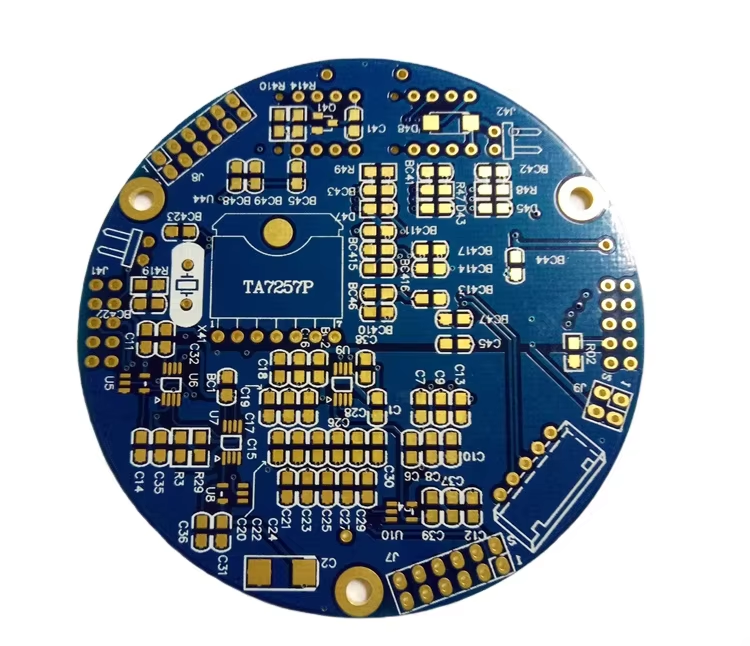
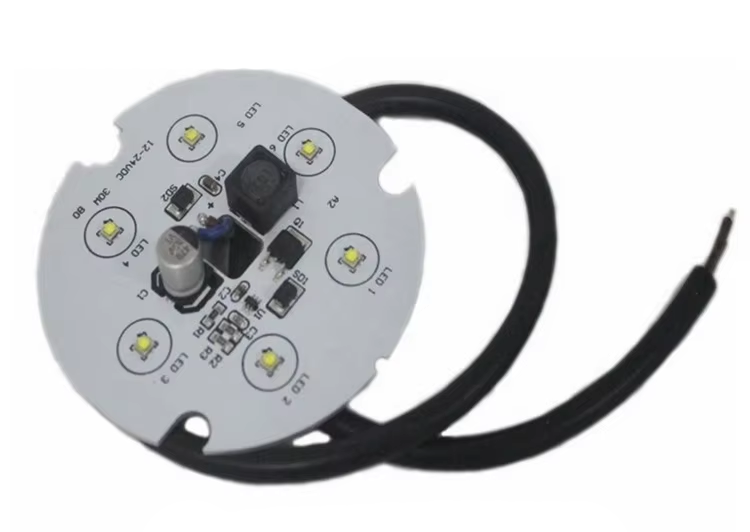

Understanding Light PCB Assembly
The Core of Light PCB Assembly
Light PCB assembly is a crucial manufacturing process that involves the precise placement and soldering of various components onto a printed circuit board (PCB) to create a functional electronic device. This meticulous process begins with the selection of components such as resistors, which control the flow of electric current, transistors that amplify or switch electronic signals, capacitors that store and release electrical energy, and highly integrated circuits that serve as the brains of the device.
The Assembly Process in Detail
Skilled technicians use advanced equipment and techniques to insert these components onto the PCB. Solder is then applied in a controlled manner to form reliable electrical connections. Automated machines are often used for high-volume production to ensure consistency and accuracy. However, in some cases, especially for prototypes or specialized products, manual soldering may also be employed to achieve more customized and fine-tuned results.
Quality Assurance in Light PCB Assembly
Testing is an integral part of light PCB assembly. After the components are soldered onto the board, comprehensive tests are conducted to check for functionality, electrical integrity, and performance. This includes verifying that each component is working as expected, that signals are transmitted without interference, and that the overall device meets the required specifications. Different testing methods such as in-circuit testing, functional testing, and environmental stress testing may be used depending on the nature of the product and its intended application.
Applications of Light PCB Assembly
Light PCB assembly finds extensive use in multiple industries. In the consumer electronics sector, it is used in the production of smartphones, tablets, and smart home devices. Automotive electronics rely on it for components such as engine control units, infotainment systems, and safety sensors. Medical devices, which require high reliability and precision, also utilize light PCB assembly for products like diagnostic equipment and implantable devices. Additionally, it is essential in other electronic products ranging from industrial control systems to communication equipment.
In conclusion, light PCB assembly is a fundamental process that combines technical expertise, quality control, and innovation to produce the electronics that power our modern world.
How to choose the right LED PCB
There are several key factors to consider when choosing the right LED PCB:
1. Material selection:
- The material of LED PCB directly affects its electrical performance, thermal management and cost. Common materials include FR-4, metal substrates (e.g. aluminum substrates), ceramic substrates, etc. FR-4 has good electrical insulation and mechanical strength, but weak thermal conductivity. Metal substrate such as aluminum substrate has good thermal conductivity and heat dissipation ability, especially suitable for high power LED applications.
2. Electrical properties:
- Dielectric constant and loss angle tangent are important characteristics that affect the electrical performance of LED PCBs. For applications requiring high-frequency operation or fast data transmission, it is critical to select PCB materials with low dielectric values and low loss angle tangent.
3. Thermal Management:
- Thermal management strategies must be considered in LED PCB design, including heat path design, heat sink component layout, and copper foil usage. High power LED applications may require the use of metal core PCBs for enhanced heat dissipation.
4. Chemical resistance:
- PCB materials should have excellent resistance to high temperatures, moisture, flame retardancy, and electrochemical resistance.
5. Size and weight limitations:
- According to the application requirements, plan the appropriate PCB size and weight to reduce production waste costs.
6. Environmental protection (IP rating):
- According to the application environment of the LED luminaire, select PCB materials that meet specific IP rating requirements to ensure the luminaire's waterproof and dustproof performance.
7. LED type and layout:
- Select through-hole, surface mount or on-board chip LEDs according to design requirements and consider part spacing, thermal management, EMI mitigation and crosstalk prevention in PCB layout.
8. Manufacturing Cost:
- Consider the cost of materials and manufacturing processes. PCBs made of highly thermally conductive materials are more costly and may also require additional cooling components such as fans or heat sinks.
9. Quality Assurance:
- Choose suppliers with good reputation and high quality to ensure the stability and long-term supply ability of LED PCB.
10. Design Creation:
- Use professional PCB design software, such as Altium or KiCad, for circuit board design to ensure the design meets all electrical and thermal performance requirements.
Taking the above factors into consideration, you can choose the most suitable LED PCB material and design according to your specific application requirements and budget.
How to balance cost and performance when designing LED PCBs?
When designing LED PCBs, balancing cost and performance requires consideration of several key factors:
1. Trade-offs in material selection:
- Choosing the right PCB material is the first step in balancing cost and performance. High-performance materials such as polyimide or low dielectric constant materials can provide better electrical performance, but the cost is relatively high. Cost-effective materials such as polyester or traditional FR-4 materials can be selected based on product market positioning to reduce cost.
2. Number of layers and laminated structure:
- Through a reasonable stacked layer design, you can ensure that the circuit board performance, reliability and cost to achieve the best balance. Determining the number and type of layers, layer arrangement, avoiding unnecessary impedances and loops, and maintaining symmetry are all considerations in stacked layer design.
3. Thermal management strategies:
- Thermal management plays an important role in LED design because effective thermal management can extend the life of LEDs and improve their efficiency. Using high thermal conductivity materials, designing excellent heat dissipation structures, optimizing circuit design and introducing active cooling methods are all effective thermal management strategies.
4. Optimization of production process:
- Efficient production processes can significantly reduce manufacturing costs without sacrificing product performance. This includes optimizing SMT (surface mount technology) and THT (in-hole assembly technology) processes, as well as selective soldering.
5. Define product requirements and target markets:
- In the early stages of design, it is important to define specific product requirements and target markets. This includes performance requirements, market positioning, and a reasonable price range to ensure that the product finds a balance between performance and cost.
6. Board layout:
- Factors such as part spacing, thermal management, EMI mitigation, and crosstalk prevention need to be considered in the physical representation of the PCB. Proper layout reduces material usage and lowers costs while ensuring performance.
7. Cost considerations:
- Cost considerations also need to be taken into account when designing PCB stacks. Under the premise of meeting performance requirements, the number of layers and material costs should be minimized.
8. Selecting the right type of LED:
- According to the required function, choose through-hole, surface mount or on-board chip LEDs. different LED types have different cost and performance characteristics, and choosing the right type can balance cost and performance.
9. Plate fabrication and testing:
- PCB manufacturing process, select a professional company to produce the board and conduct rigorous testing to ensure that the finished LED board works as expected and meets the specified functions, to avoid possible losses due to design and manufacturing errors.
Through the above measures, we can ensure the performance of LED PCBs while effectively controlling the cost and realizing the best price/performance ratio of our products.
(1Products)
