
Rigid PCB Circuit Boards Products
What Is a Rigid PCB Circuit Board?
A rigid PCB circuit board is a fundamental component in modern electronics. It is a flat, non-flexible board made of insulating materials, typically fiberglass-reinforced epoxy resin, with conductive copper tracks etched onto its surface.
The main characteristics of a rigid PCB circuit board include:
1. Sturdiness and Durability
Rigid PCBs are known for their strength and ability to withstand mechanical stress. They provide a stable platform for mounting electronic components, ensuring reliable performance even in harsh environments.
2. High Precision
These circuit boards are manufactured with high precision, allowing for accurate placement of components and tight tolerances in the conductive tracks. This precision is crucial for ensuring proper electrical connections and minimizing signal interference.
3. Versatility in Component Mounting
Rigid PCBs can accommodate a wide variety of electronic components, including through-hole components and surface-mount devices. They offer different mounting options, such as soldering, press-fit, and adhesive bonding.
4. Electrical Performance
Rigid PCBs provide excellent electrical insulation and low electrical resistance, enabling efficient signal transmission and power distribution. They can handle high-frequency signals and are suitable for applications that require high electrical performance.
5. Design Flexibility
Although rigid PCBs are not flexible like their flexible counterparts, they still offer a certain degree of design flexibility. Designers can create complex circuit layouts with multiple layers, vias, and traces to meet the specific requirements of different applications.
In conclusion, a rigid PCB circuit board is a reliable and essential component in the world of electronics. Its sturdiness, precision, versatility, and electrical performance make it a preferred choice for a wide range of applications, from consumer electronics to industrial control systems.
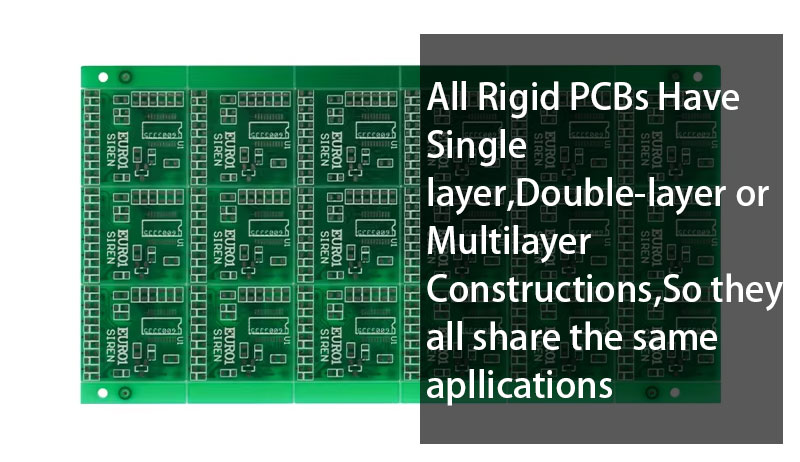
Unraveling the Characteristics of Rigid PCB: A Key Component in Electronics
In the world of electronics, Rigid Printed Circuit Boards (PCBs) play a crucial role. Let's explore the remarkable characteristics that make Rigid PCBs an essential choice for a wide range of applications.
1. Sturdiness and Durability
Rigid PCBs are known for their exceptional strength and durability. Constructed from materials such as fiberglass-reinforced epoxy resin, they can withstand mechanical stress, vibrations, and temperature variations. This makes them ideal for applications where reliability is paramount, such as industrial controls, automotive electronics, and aerospace systems.
2. High Precision Manufacturing
The manufacturing process of Rigid PCBs is highly precise. Advanced technologies are used to etch conductive traces with extremely tight tolerances. This ensures accurate placement of components and reliable electrical connections. The precision also allows for complex circuit designs, enabling the integration of multiple functions on a single board.
3. Versatile Component Mounting Options
Rigid PCBs offer a variety of component mounting options. Through-hole components can be inserted and soldered for a secure connection. Surface-mount technology (SMT) components can also be used, providing a sleek and space-saving design. This versatility allows designers to choose the most appropriate components for their specific applications.
4. Excellent Electrical Performance
Rigid PCBs provide excellent electrical insulation and low electrical resistance. This ensures efficient signal transmission and power distribution. The materials used in Rigid PCBs are carefully selected to minimize signal interference and electromagnetic radiation. This makes them suitable for applications that require high signal integrity, such as telecommunications, medical devices, and high-performance computing.
5. Design Flexibility
Although Rigid PCBs are not flexible like their flexible counterparts, they still offer a certain degree of design flexibility. Multiple layers can be incorporated to create complex circuit layouts. Vias and other interconnecting features can be used to route signals between layers. Designers can also customize the shape and size of the board to fit specific requirements.
6. Cost-Effectiveness
Rigid PCBs are often a cost-effective solution for many applications. The manufacturing process is well-established and efficient, resulting in lower production costs compared to some other PCB types. Additionally, the durability and reliability of Rigid PCBs reduce the need for frequent replacements, further lowering the overall cost of ownership.
In conclusion, Rigid PCBs possess a unique set of characteristics that make them an essential component in the electronics industry. Their sturdiness, precision, versatility, electrical performance, design flexibility, and cost-effectiveness make them suitable for a wide range of applications. Whether it's a simple consumer electronics device or a complex industrial system, Rigid PCBs continue to play a vital role in powering the technological advancements of our modern world.
The Process Of Rigid PCB Boards Manufacturing?
Rigid printed circuit boards (PCBs) are manufactured through a series of precise and complex processes. Here's an overview of how rigid PCB boards are produced:
1. Design and Layout
- The first step is to design the circuit layout using specialized software. Engineers determine the placement of components, traces, vias, and other elements.
- The design is then checked for errors and optimized for manufacturability.
2. Material Preparation
- Rigid PCBs are typically made from a substrate material such as fiberglass-reinforced epoxy resin. Copper foil is also prepared for use as the conductive layer.
- The substrate and copper foil are cut to the appropriate size and shape.
3. Imaging and Etching
- A photoresist layer is applied to the copper foil. The photoresist is exposed to ultraviolet light through a mask that contains the circuit pattern.
- The exposed photoresist is developed, leaving a pattern on the copper foil.
- The unprotected copper is then etched away using an acid or other chemical etchant, leaving only the desired copper traces.
4. Drilling and Plating
- Holes are drilled through the PCB for component leads and vias.
- The holes are then plated with copper to provide electrical connections between layers.
5. Solder Mask Application
- A solder mask is applied to the PCB to protect the copper traces and provide insulation.
- The solder mask is typically a green or other colored material that is applied by screen printing or other methods.
6. Surface Finishing
- A surface finish is applied to the copper traces to protect them from oxidation and improve solderability. Common surface finishes include HASL (hot air solder leveling), ENIG (electroless nickel immersion gold), and OSP (organic solderability preservative).
7. Component Assembly
- Electronic components are then mounted on the PCB using soldering or other methods.
- The assembled PCB is tested for functionality and quality.
8. Final Inspection and Packaging
- The completed PCB is inspected for defects and compliance with specifications.
- The PCB is then packaged and shipped to the customer.
In conclusion, the manufacturing of rigid PCB boards is a complex process that requires precision and expertise. Each step is carefully controlled to ensure the quality and reliability of the final product.
(0Products)
Data is empty