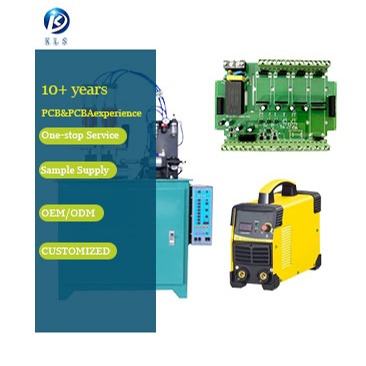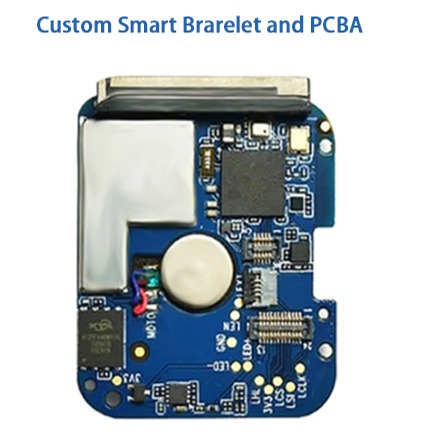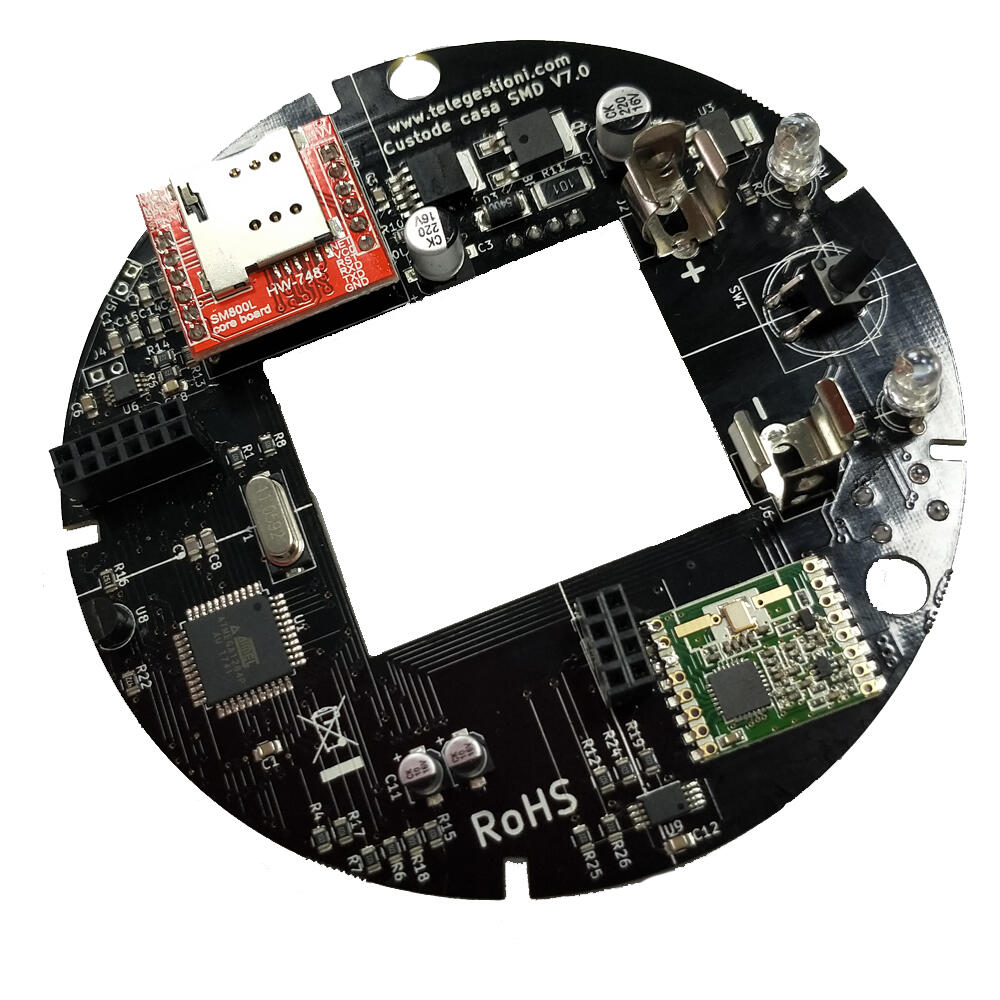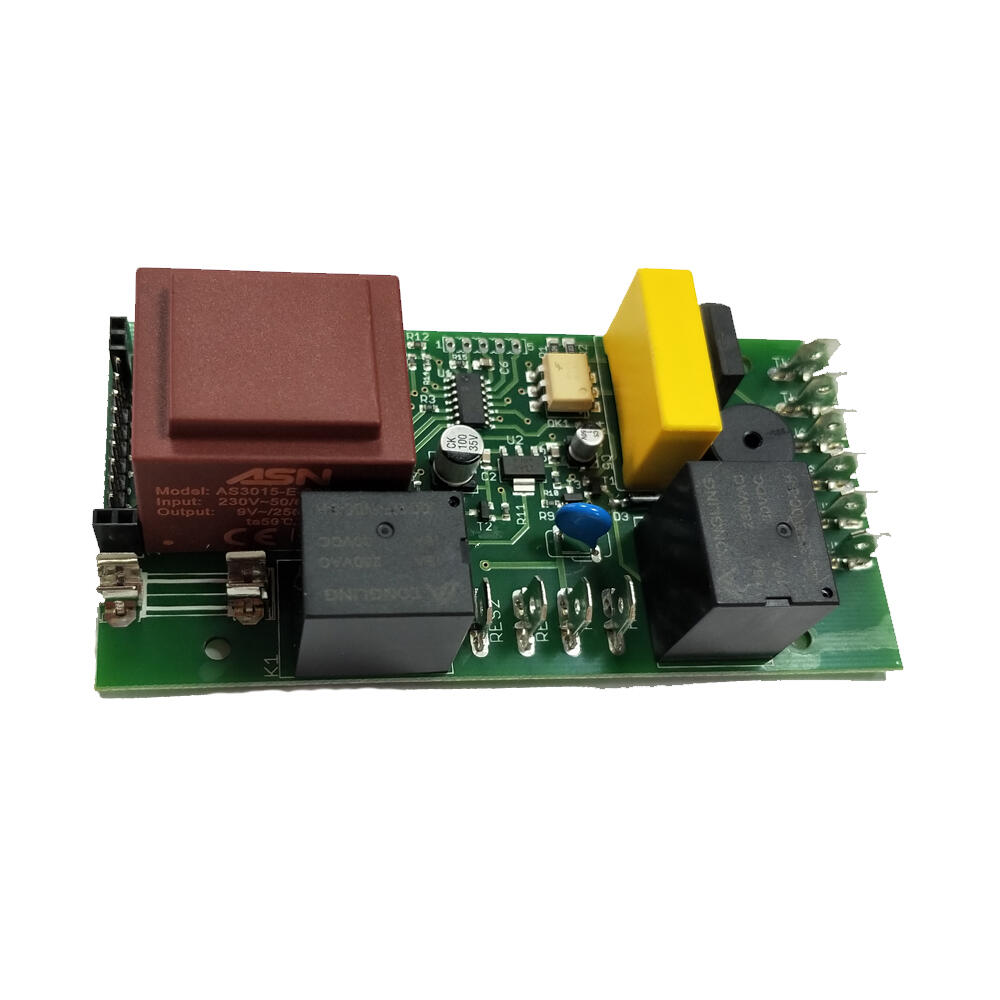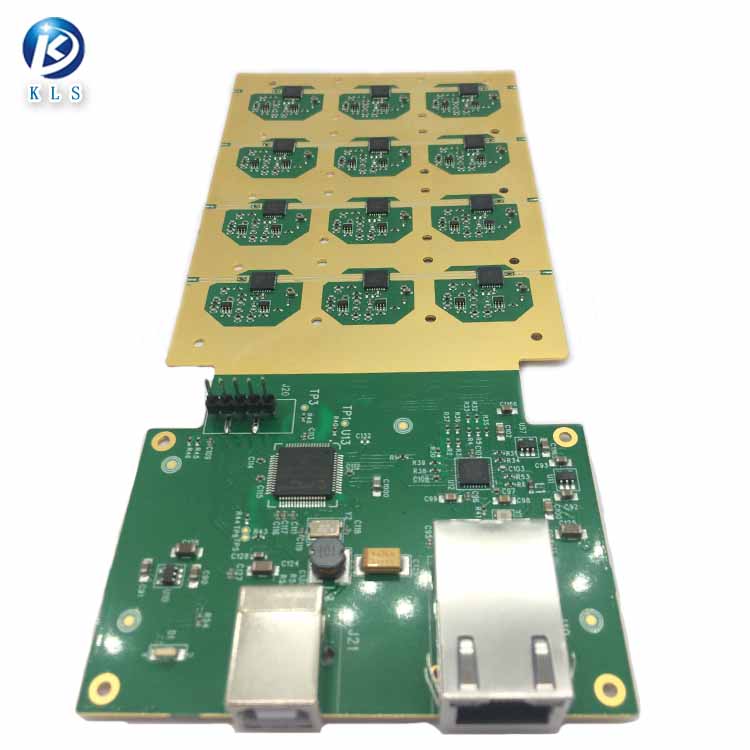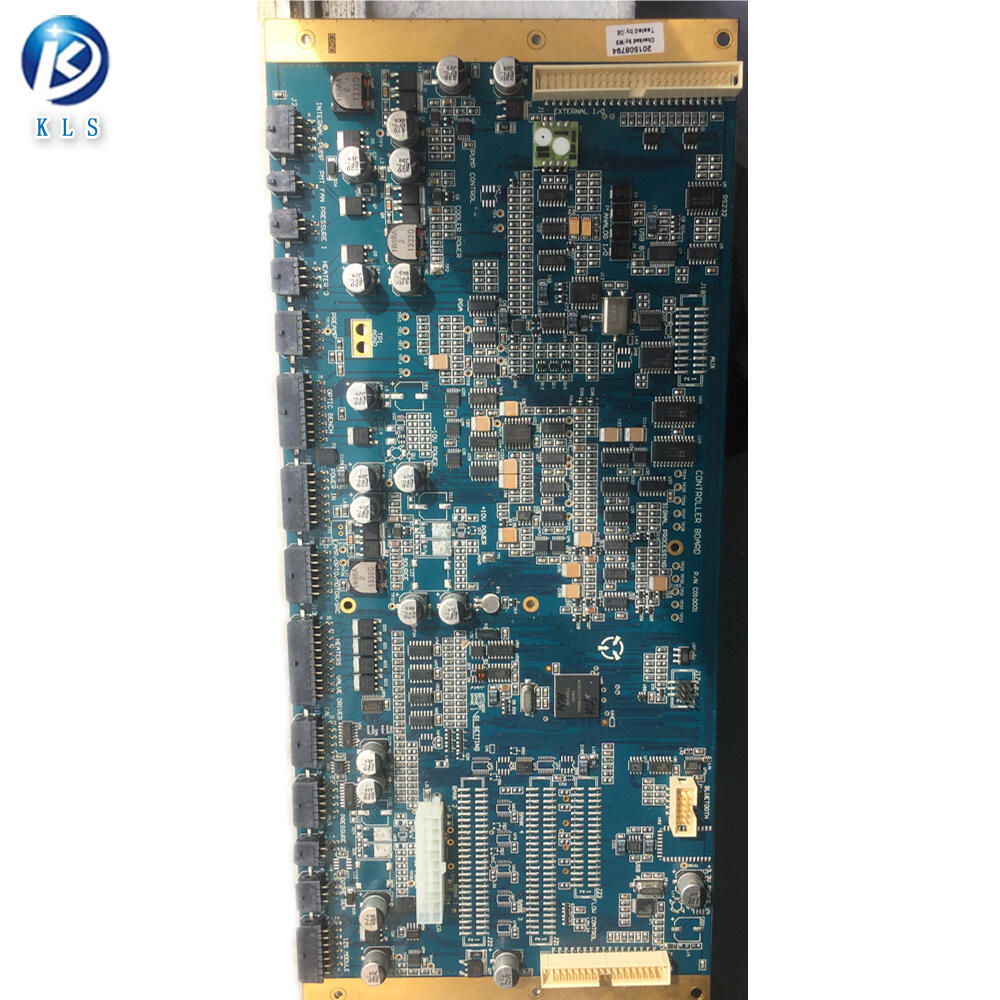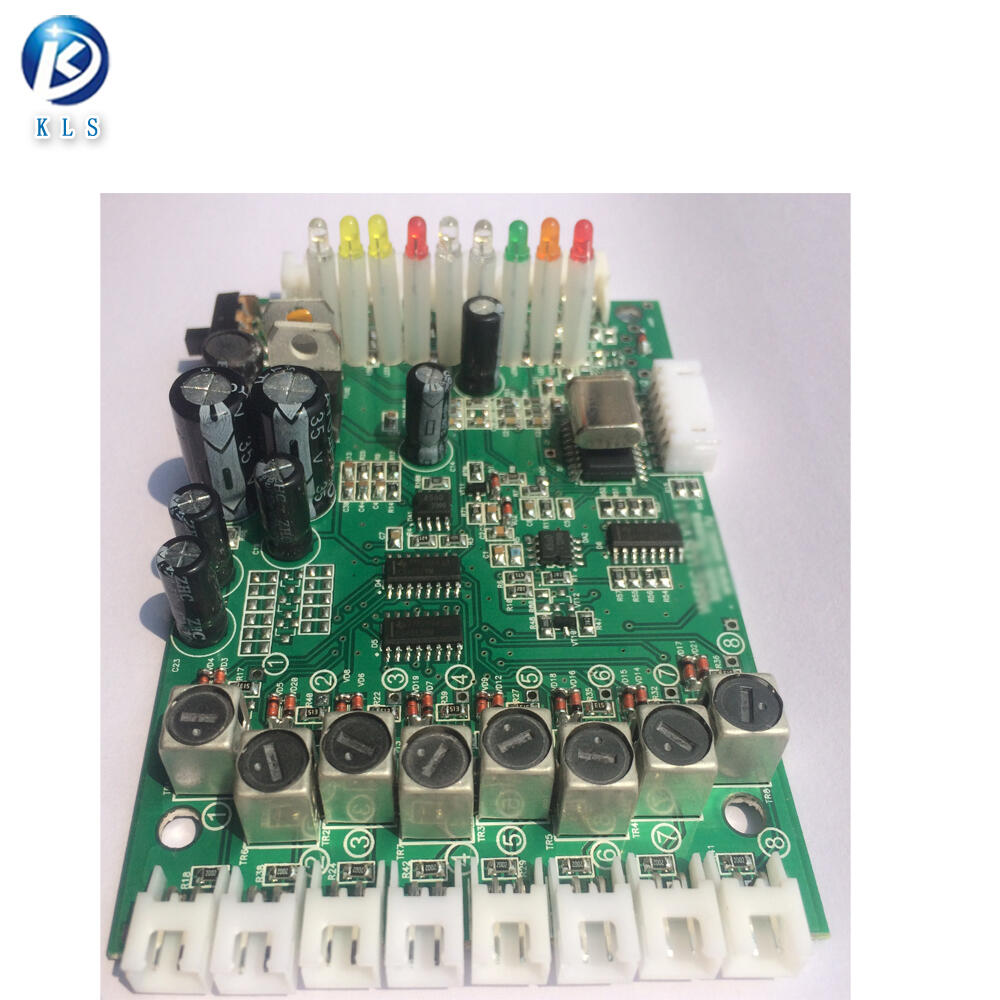
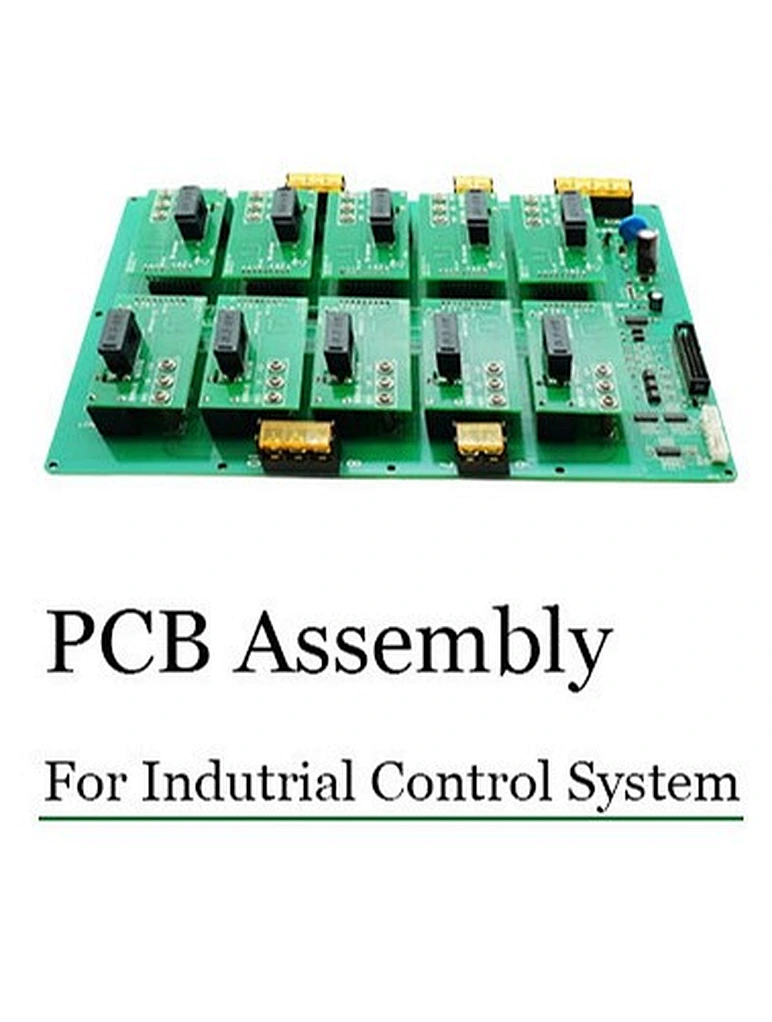
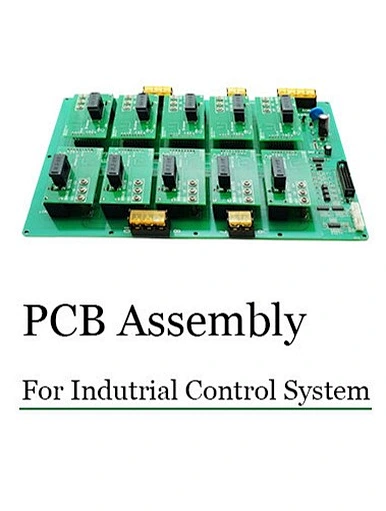
OEM PCB Board&PCBA And Assembly For Industrial Equipment Control System
US $0.90 - 10.00
IND002
Can be negotiated
1piece
1500000piece
shenzhen,china
5-20Day
Industrial control PCB plays a key role in industrial automation, providing support for factory robots, process control equipment and other systems.
Quantity
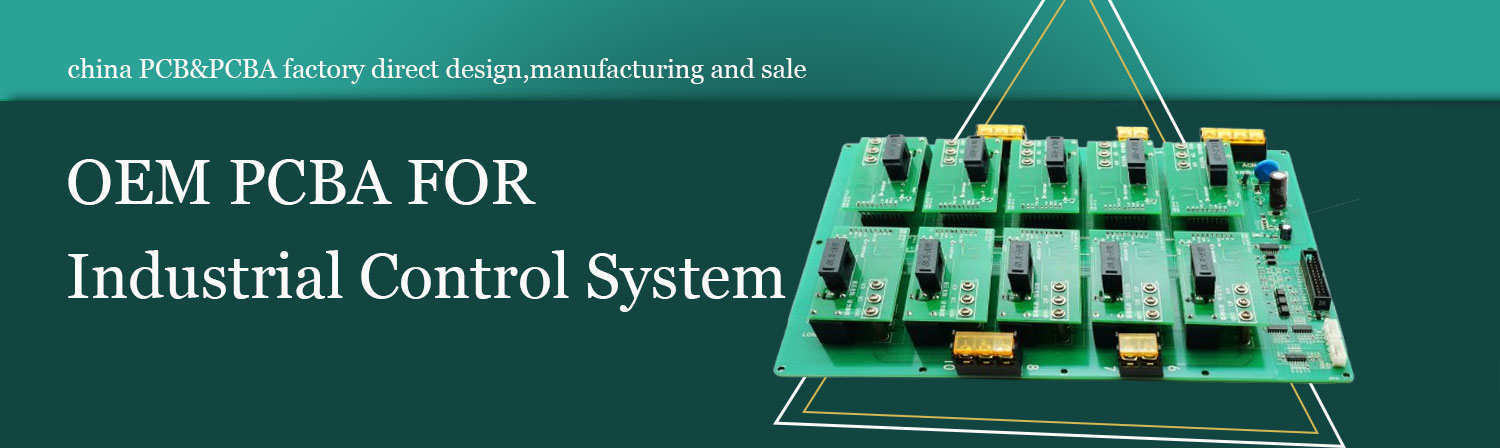
Unlocking Industrial Excellence: A Guide to High Performance of Industrial Control PCBA
Modern industrial automation and digital transformation are developing rapidly, posing higher requirements on the functional complexity and interconnectivity of electronic devices. Against the backdrop of the continued growth of the global electronics market, the continuous improvement of equipment complexity and miniaturization in industrial applications has led to the increasing demand for advanced industrial PCBAs (printed circuit board components).1. PCBA is the core or"brain"of almost all modern electronic devices, and they are the basic platform for connecting and supporting various electronic components, enabling them to form functional electronic circuits 1. In the field of industrial automation, industrial control PCBA is indispensable. They are the core electronic systems for regulating and managing critical electrical and mechanical operations, helping to achieve accuracy and efficiency in a variety of industrial and commercial applications.
The growing demand for complex functions and interconnected technologies has directly driven the urgent need for advanced industrial PCBAs. This is not only about the components themselves, but also about empowering the next generation of industrial capabilities. As industrial systems become more intelligent and automated (a process commonly known as Industry 4.0 or digital transformation), the underlying PCBA must have higher complexity, reliability and performance to support these advanced needs. This technological necessity makes high-performance industrial PCBA a key element in achieving industrial excellence.
What is Industrial Control PCBA? The core of industrial automation
Printed circuit board assembly (PCBA) refers to the finished board formed on a bare printed circuit board (PCB) after careful soldering and installation of all electronic components (such as resistors, capacitors and integrated circuits). This transformation makes PCBA a fully functional electronic circuit that can be integrated into the final electronic device at any time. This makes for a significant difference between a PCBA (a functional unit) and a naked PCB (a board with unfilled components)
Industrial Control PCBA is a core electronic system designed specifically for regulating and managing electrical and mechanical operations in a variety of industrial and commercial applications. Its basic purpose is to accurately monitor and control various industrial processes, including motor control, lighting systems, temperature regulation and fluid flow management. These PCBAs are essential for maintaining the safe, efficient and efficient operation of industrial machinery and equipment
Industrial Control PCBA is the"brain"in industrial control systems that enable these systems to accurately regulate and manage complex industrial processes. This core role highlights the critical importance of PCBA itself.
Key features of industrial control PCBA include:
High Reliability and Durability: Industrial Control PCBA is designed for long-term and stable operation in harsh industrial environments. This includes resistance to physical shocks, continuous vibrations, extreme temperature fluctuations, high humidity, and the presence of dust or other contaminants
Real-time performance and accuracy: These PCBAs require high real-time performance, allowing them to respond quickly to external input signals and accurately control the production process. This ensures the stability, consistency and accurate measurement of physical quantities of industrial operations
High Integration and Rich Interfaces: Industrial Control PCBAs are often highly integrated, integrating multiple functions into a single device. They have multiple interfaces, such as serial (RS-232, RS-485), parallel (Centronics, IEEE 1284) and analog signal interfaces, allowing seamless data exchange and communication with other industrial equipment and systems.
Strong data processing capabilities: With high-speed data transfer capabilities and often large storage capacity, these PCBAs can quickly process, analyze and transmit large amounts of data, which is crucial for real-time monitoring and complex control algorithms.
Safety Considerations: In view of its role in critical infrastructure, the Industrial Control PCBA is increasingly integrated with powerful security measures. This includes built-in firewalls, encryption technologies for protecting data integrity, and access control mechanisms to prevent unauthorized access and mitigate network threats
The stringent requirements of industrial controlled electronic equipment (such as reliability, real-time, accuracy and environmental tolerance) directly drive the demand for advanced design and manufacturing processes of industrial PCBA. This lays the foundation for discussing the capabilities and quality of manufacturers. In addition, the need for"high security"and reference to"cyber attack"threats in industrial control PCBAs indicate that industrial PCBAs need to consider network security, not just functional security, when designing. In a market with an increasing focus on industrial control system vulnerabilities, this has become an emerging and critical requirement that can significantly differentiate manufacturers.
The accuracy of industrial control PCBAs is not only related to technical functions, but also directly affects product quality, reduces scrap rates and minimizes costly downtime in customer operations. This accuracy translates technical capabilities into practical business benefits for customers, emphasizing the return on investment. Even the smallest control bias can lead to quality problems, higher scrap rates and costly downtime. Therefore, accuracy is the key to ensuring the reliability and repeatability of industrial control systems.
Key considerations for choosing an industrial control PCBA
When choosing an industrial control PCBA, in addition to basic functions, factors that ensure long-term reliability, performance and compliance in harsh industrial environments must be considered. A reputable manufacturer should demonstrate its professional competence in the following key areas
Durability and environmental resistance
Industrial PCBAs are often deployed in challenging environments such as factory floors, outdoor installations or specialized machinery, which can be exposed to extreme temperatures, high humidity, constant vibration, dust, and potentially corrosive chemicals.
Key considerations for robust design:
Advanced Material Selection: The choice of PCB substrate is crucial. In addition to standard FR-4, materials such as polyimide or ceramic filled laminates are critical for high temperature or high frequency applications, providing excellent thermal stability and lower signal loss. Sufficient copper thickness and high-quality plating are also crucial for current carrying capacity and corrosion protection. In environments with large temperature fluctuations, low coefficient of thermal expansion (CTE) materials are crucial to prevent plate warping and solder joint failure
Resistance to vulcanization and electrolytic corrosion: Professional vulcanization resistors and electrolytic corrosion-resistant components are essential to prevent circuit breakage and ensure service life for specific industrial environments where sulfur compounds are present (such as near hot springs, combustion of heavy oils) or high humidity.
Protective Coating: Coating conformal coating is critical to protecting sensitive components from moisture, dust and other contaminants, which can significantly extend the life of PCBA under harsh conditions
A detailed discussion of specific materials and environmental resistance testing methods demonstrates an in-depth understanding of industrial challenges beyond the universal claim of “durability.” This shows that the PCBA products provided are designed for long-term use in harsh environments. In particular, explicit reference to"resistance to vulcanization"is a specific and niche environmental challenge. Addressing this problem demonstrates the manufacturer’s expertise, which can be a powerful differentiator for customers operating under these unique conditions, highlighting a positive approach to highly specific industrial reliability issues.
Thermal management
In industrial high-power applications, heat generation is inevitable. If improperly managed, overheating can lead to component damage, shorten life, and ultimately equipment failures
Key considerations for effective thermal management:
Comprehensive design strategy: Implement an effective heat sink design, optimize the orientation of the board (e.g., vertical mounting to enhance natural convection), and consider using a dedicated solder resist (e.g., black solder resist) to improve thermal radiation.
Applications of high thermal conductivity materials: The use of materials such as metal core PCBs (IMS boards with aluminum or copper cores) is crucial for rapid heat dissipation, especially in high-power applications such as LED lighting and power electronics.
Optimize layout and spacing: Strategic placement of components is essential to minimize hot spots. This includes ensuring sufficient air circulation space and carefully separating high-power components from sensitive signal circuits to prevent local heat accumulation.
Thermal vias and thicker copper layers: Using a thermal via array (small copper-plated holes) helps heat transfer vertically within the plate, like a micro heat pipe. Furthermore, the use of thicker copper layers (e.g. 70 μm to 560 μm) helps to distribute heat more evenly across the entire plate.
Advanced Simulation and Testing: Using thermal modeling and simulation tools during the design phase is essential for accurate prediction of thermal distribution and optimization of thermal structures. This proactive approach reduces the need for expensive physical prototypes and iterations.
Applications of high thermal conductivity materials: The use of materials such as metal core PCBs (IMS boards with aluminum or copper cores) is crucial for rapid heat dissipation, especially in high-power applications such as LED lighting and power electronics.
Optimize layout and spacing: Strategic placement of components is essential to minimize hot spots. This includes ensuring sufficient air circulation space and carefully separating high-power components from sensitive signal circuits to prevent local heat accumulation.
Thermal vias and thicker copper layers: Using a thermal via array (small copper-plated holes) helps heat transfer vertically within the plate, like a micro heat pipe. Furthermore, the use of thicker copper layers (e.g. 70 μm to 560 μm) helps to distribute heat more evenly across the entire plate.
Advanced Simulation and Testing: Using thermal modeling and simulation tools during the design phase is essential for accurate prediction of thermal distribution and optimization of thermal structures. This proactive approach reduces the need for expensive physical prototypes and iterations.
A comprehensive list of thermal management strategies, from material selection to design layout and simulation, demonstrates proactive and complex approaches to key industrial PCBA challenges. This strengthens the manufacturer's engineering strength and commitment to long-term product stability.
Signal integrity and accuracy
In industrial control systems, accuracy is uncompromising. Even the smallest signal deviation can lead to serious quality problems, increased scrap rates and costly operational downtime 15.
Key considerations for robust signal performance:
Minimize interference: It is crucial to solve common signal integrity problems such as crosstalk (unnecessary energy transfer between traces), electrical noise from various sources, and impedance mismatch (the impedance of the transmission line does not match the connected components, resulting in signal reflection and distortion).
Optimized wiring technology: Implementing appropriate wiring technology, utilizing ground planes, and applying controlled impedance wiring to high-speed signals is critical to maintaining signal clarity and preventing data errors.
Component separation: Carefully separate sensitive analog and digital circuits on the board is necessary to prevent noise interference and ensure consistent and accurate performance over the long term.
Repeatable design: Every component and trace must be carefully crafted to meet strict tolerances to ensure reliable and consistent operation over thousands of cycles, which is essential for industrial automation
Optimized wiring technology: Implementing appropriate wiring technology, utilizing ground planes, and applying controlled impedance wiring to high-speed signals is critical to maintaining signal clarity and preventing data errors.
Component separation: Carefully separate sensitive analog and digital circuits on the board is necessary to prevent noise interference and ensure consistent and accurate performance over the long term.
Repeatable design: Every component and trace must be carefully crafted to meet strict tolerances to ensure reliable and consistent operation over thousands of cycles, which is essential for industrial automation
Linking signal integrity directly with operational efficiency and cost savings (reducing scrap rates, reducing downtime) provides business-centric reasons for fine design, attracting procurement and management. This emphasizes the economic benefits of the direct translation of technological excellence into customers.
Quality control and testing
A strict quality control process is crucial to ensure that industrial PCBAs comply with strict specifications and industry standards, especially given the high risk and often high volume nature of industrial applications.
Key considerations for comprehensive quality assurance:
Multi-stage inspection: Perform a comprehensive visual inspection to detect obvious defects, use automatic optical inspection (AOI) to check surface defects (scratches, stains, shorts, open circuits, missing/incorrect components), and use X-rays to check for hidden connections (e.g. under the BGA).
Electrical and Connection Testing: Verify the electrical integrity of individual components on the assembly board with online testing (ICT) and Flying Needle Test (FPT) for rapid and cost-effective testing for prototypes and small batch production.
Functional and stress testing: Perform comprehensive functional testing to simulate actual usage conditions and evaluate the overall performance and reliability of the PCBA. In addition, a high-strength method of burner testing is used to detect early failures and determine load capacity to ensure long-term product reliability.
Strong Quality Management System (QMS): Regular and documented QMS are essential to maintain quality consistency, especially for large batches and variable orders. The system covers key areas such as risk management, document control, change management, regular internal audits and systematic handling of non-conforming products.
Electrical and Connection Testing: Verify the electrical integrity of individual components on the assembly board with online testing (ICT) and Flying Needle Test (FPT) for rapid and cost-effective testing for prototypes and small batch production.
Functional and stress testing: Perform comprehensive functional testing to simulate actual usage conditions and evaluate the overall performance and reliability of the PCBA. In addition, a high-strength method of burner testing is used to detect early failures and determine load capacity to ensure long-term product reliability.
Strong Quality Management System (QMS): Regular and documented QMS are essential to maintain quality consistency, especially for large batches and variable orders. The system covers key areas such as risk management, document control, change management, regular internal audits and systematic handling of non-conforming products.
Detailed introduction of various testing methods and emphasis on the importance of formalized quality management systems (QMS), which goes far beyond the simple statement of “we do quality control”. It guarantees customers a systematic, robust and scalable approach to quality that is critical for industrial applications where failure is expensive and high volume product consistency is critical.
Our Commitment to Excellence: Your Trusted PCBA Partner
Our firm commitment to quality, safety and environmental compliance is reflected in our extensive international certification portfolio. These certifications are more than honors, they represent our compliance with the strictest global standards, ensuring the highest reliability and safety of your industrial applications. We have been recognized by many leading companies in various industries, and our products are sold to 130+ countries and regions around the world
International certification: a mark of excellent quality
Our extensive certifications (including ISO9001, UL, RoHS, REACH, CE, EN ISO 13485, EU, etc.) demonstrate our deep commitment to a diversified, highly regulated industry. This further strengthens our ability to meet the most stringent requirements in industrial applications, establishes strong competitive advantages, and demonstrates a universal standard of excellence.
| Authentication name | describe | The meaning of a certificate |
ISO 9001:2015 | International standards of quality management system to ensure product quality consistency and customer satisfaction. | Ensure a robust and continuously improved quality management system to achieve consistency in product quality. |
ISO 14001:2015 | The international standards of environmental management systems demonstrate the commitment of enterprises to environmental protection and sustainable manufacturing. | A strong commitment to sustainable manufacturing practices is demonstrated, which is crucial to the increasingly important market for environmental compliance. |
| UL Certification | Product safety certification ensures that PCBA minimizes the risk of fire and electric shock, suitable for circuit boards and power supplies. | Ensure electrical safety and compliance of industrial equipment, and reduce the risks of product failures and safety hazards. |
| RoHS & REACH Compliance | Directives to restrict the use of hazardous substances in electronic and electrical equipment to promote environmentally friendly and safe electronic products. | Ensure that the products comply with global hazardous substance restrictions and facilitate the circulation of products in the global market. |
| CE certification | Various product safety and quality certifications from Europe and China facilitate products to enter the global market. | Prove that the products comply with European and Chinese product safety and quality standards, providing convenience for global market access. |
From prototyping to mass production: Our comprehensive turnkey capabilities
We are committed to providing a complete and integrated “one-stop solution” for your PCBA needs. Our expertise covers the entire product lifecycle and guides your product from initial concept and prototype development to successful mass production. This comprehensive approach ensures seamless and consistent quality at each stage, making us your long-term strategic partner
Highlights of our craftsmanship:
Customization and Turnkey Solutions: We provide strong customization capabilities to accurately meet your unique design specifications and provide a complete turnkey solution. This means we handle everything from initial component procurement and PCB manufacturing to final product assembly, programming and rigorous testing, simplifying your supply chain
Professional design and engineering: We have a professional team of more than 50 professional design engineers to provide comprehensive PCB design and layout services. This includes critical design of manufacturability (DFM) inspections that proactively identify and address potential manufacturing challenges early in the design phase, ensuring your products are optimized for efficient and economical production from the outset.
Strategic material procurement: With a stable, long-term supply chain and significant batch procurement capabilities, we strictly purchase high-quality and authentic components from original manufacturers and authorized distributors. This strategy can reduce your bill of material (BOM) costs by 15-30% without compromising quality. Our advanced incoming material quality control (IQC) system ensures that every incoming material is accurately traced and strictly inspected to meet the requirements.
Advanced Assembly Technology: We have multiple SMT (surface mounting technology) production lines equipped with automated solder paste printing machines, 3D solder paste inspection (SPI) machines for precise control, high-speed SMD chip mount machines and advanced 10-temperature reflow furnaces for optimal solder joint formation. We are also skilled in handling through-hole technology (THT) and wave soldering, providing a comprehensive assembly solution.
Strict quality control and testing: Quality is not just the final inspection, it runs through our entire production process. We employ a multi-stage testing scheme, including automatic optical detection (AOI) for surface defects, X-ray detection for hidden connections such as under BGA, fly needle test (FPT) for rapid prototyping and small batch production, online test (ICT) for individual component integrity, and comprehensive functional tests for simulating actual performance. For critical industrial applications, burner testing can also be performed to detect early failures and ensure long-term reliability under pressure.
Flexible Production Capacity: Whether you need rapid prototyping, small batch production or large batch production, our flexible manufacturing capabilities can seamlessly scale to your project needs. Annual output can reach 1,500,000 pieces or 80,000 square meters per month, ensuring fast turnover and reliable on-time delivery, helping you respond quickly to market demand.
Professional design and engineering: We have a professional team of more than 50 professional design engineers to provide comprehensive PCB design and layout services. This includes critical design of manufacturability (DFM) inspections that proactively identify and address potential manufacturing challenges early in the design phase, ensuring your products are optimized for efficient and economical production from the outset.
Strategic material procurement: With a stable, long-term supply chain and significant batch procurement capabilities, we strictly purchase high-quality and authentic components from original manufacturers and authorized distributors. This strategy can reduce your bill of material (BOM) costs by 15-30% without compromising quality. Our advanced incoming material quality control (IQC) system ensures that every incoming material is accurately traced and strictly inspected to meet the requirements.
Advanced Assembly Technology: We have multiple SMT (surface mounting technology) production lines equipped with automated solder paste printing machines, 3D solder paste inspection (SPI) machines for precise control, high-speed SMD chip mount machines and advanced 10-temperature reflow furnaces for optimal solder joint formation. We are also skilled in handling through-hole technology (THT) and wave soldering, providing a comprehensive assembly solution.
Strict quality control and testing: Quality is not just the final inspection, it runs through our entire production process. We employ a multi-stage testing scheme, including automatic optical detection (AOI) for surface defects, X-ray detection for hidden connections such as under BGA, fly needle test (FPT) for rapid prototyping and small batch production, online test (ICT) for individual component integrity, and comprehensive functional tests for simulating actual performance. For critical industrial applications, burner testing can also be performed to detect early failures and ensure long-term reliability under pressure.
Flexible Production Capacity: Whether you need rapid prototyping, small batch production or large batch production, our flexible manufacturing capabilities can seamlessly scale to your project needs. Annual output can reach 1,500,000 pieces or 80,000 square meters per month, ensuring fast turnover and reliable on-time delivery, helping you respond quickly to market demand.
As high-quality PCB manufacturing and PCBA assembly manufacturer, we focus on providing customized PCBA solutions tailored for industrial control PCBA applications. Our end-to-end capabilities range from prototyping to turnkey PCBA solutions, ensuring seamless integration into industrial automation systems, smart manufacturing equipment and IoT-enabled machinery.