2021-11-19
What is the difference between PCB and FPC?
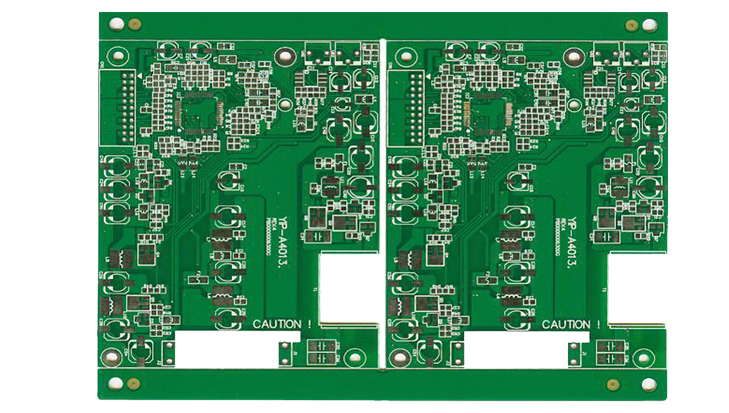
PCB is a printed circuit board, which is usually called a hard board. It is the support of electronic components and also a very important electronic component. PCB generally uses FR4 as the base material, which cannot be bent or flexed. PCBs are generally used in places that do not require bending and require relatively rigid strength, such as computer motherboards and mobile phone motherboards.

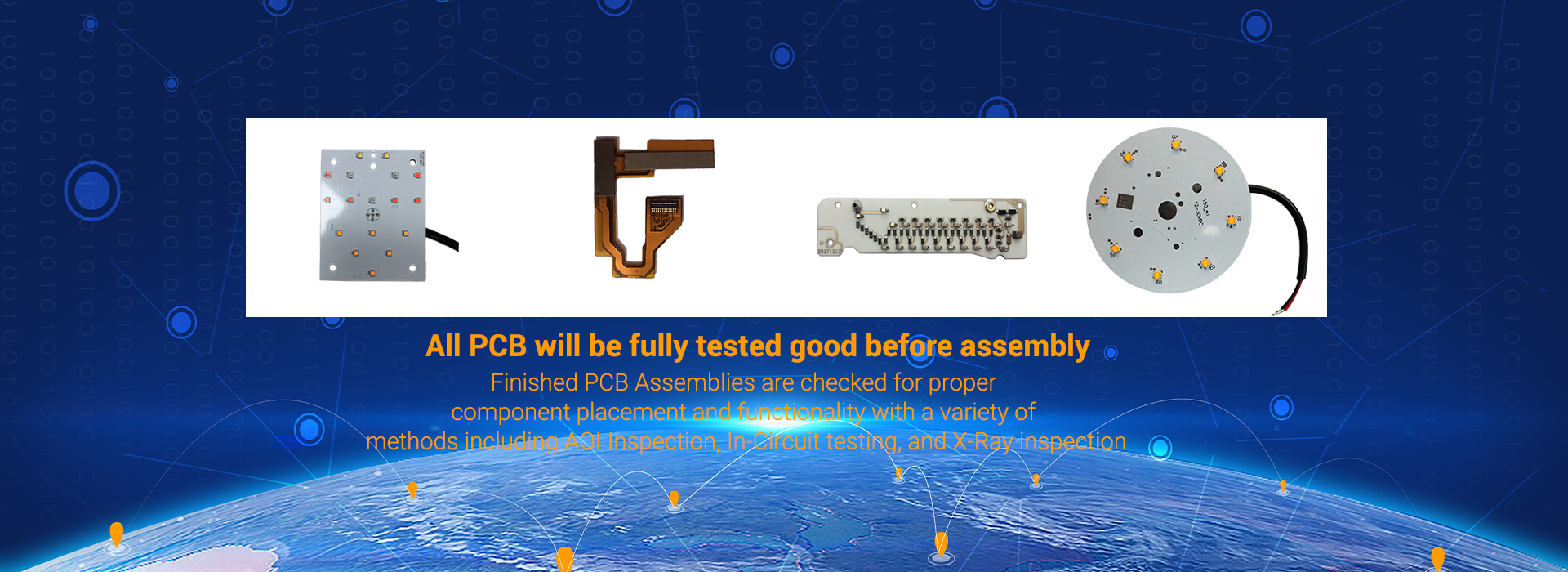
The FPC is a kind of PCB, but it is very different from the traditional printed circuit board. Call it a soft board, and the full name is a flexible circuit board. FPC generally uses PI as the base material, which is a flexible material and can be bent and flexed at will. FPC generally requires repeated flexing and the linking of some small parts, but now it is more than that. At present, smart phones are thinking about bending prevention, which requires the use of the key technology of FPC.

In fact, FPC is not only a flexible circuit board, but it is also an important design method of integrated circuit structure. This structure can be combined with other electronic product designs to build a variety of different applications. Therefore, from this point on Look, FPC and PCB are very different.
For the PCB, unless the circuit is made into a three-dimensional form by means of potting glue, the circuit board is generally flat. Therefore, to make full use of the three-dimensional space, FPC is a good solution. In terms of hard boards, the current common space extension solution is to use slots to add interface cards, but FPC can make similar structures as long as they are designed with adapters, and the directional design is also more flexible. Using one piece of connection FPC, two pieces of hard boards can be connected to form a set of parallel circuit systems, and it can also be turned into any angle to adapt to different product shape designs.